
Medieval Medicinal Plants
At the Cambridge University Botanical Gardens
Medieval Medicinal Plants with Dr Gwenda Kyd
“There is so much more to learn and understand with the links to our past view of health and art. I feel we are starting to do a 360 turn where the past is now answering some difficult questions the medical profession has been struggling with about the approach to wellness and illness.” (Shanaz Husain)
Rosemary
Dr Gwenda Kyd's talk brought to light some of the chemical properties of medieval medicinal plants.
Rosemary, for instance, is chemically known for its antimicrobial and anti-inflammatory properties. It is also one of the plants that you can find at the Cambridge Central Mosque.
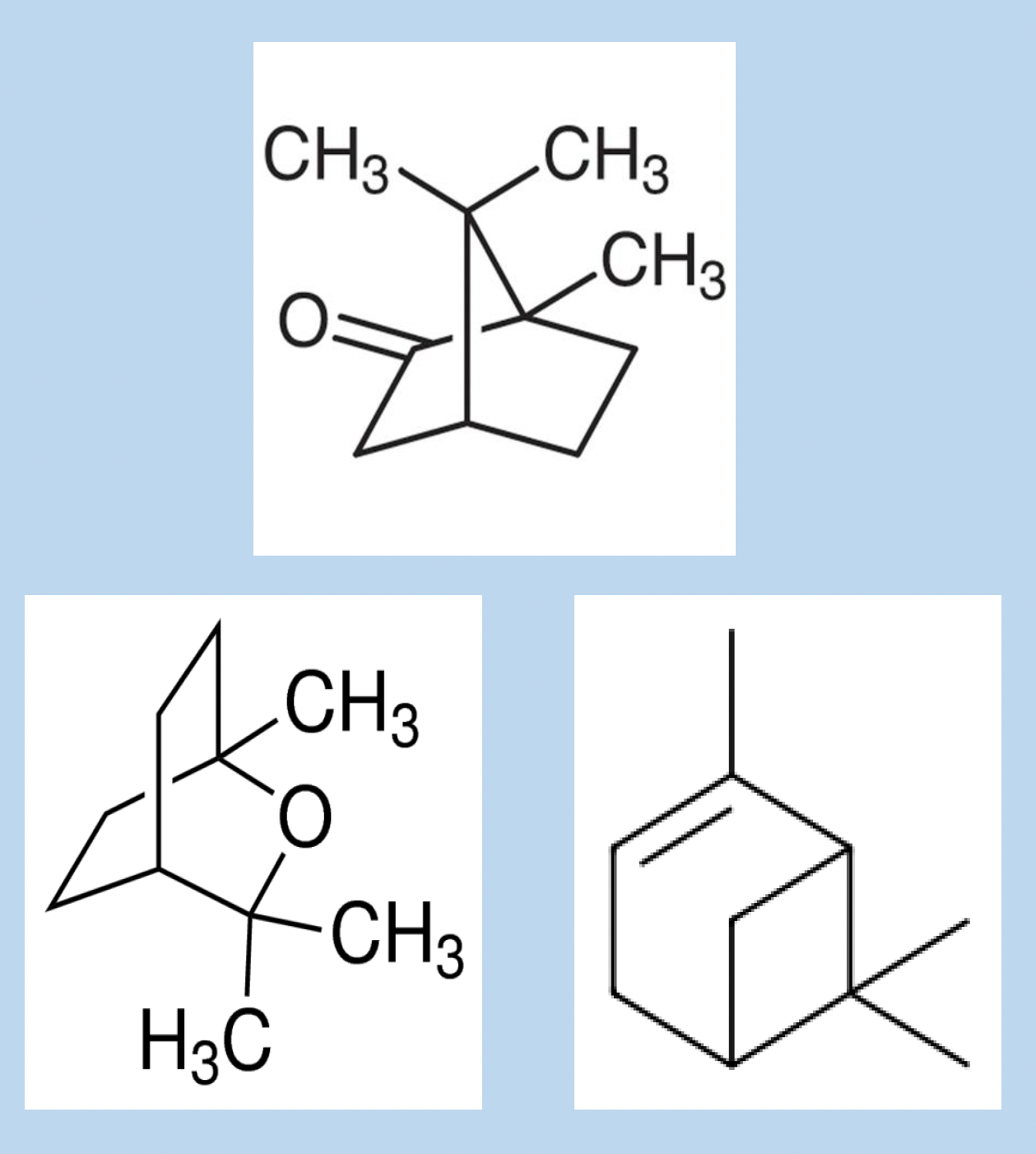
Chemical make up of Rosemary
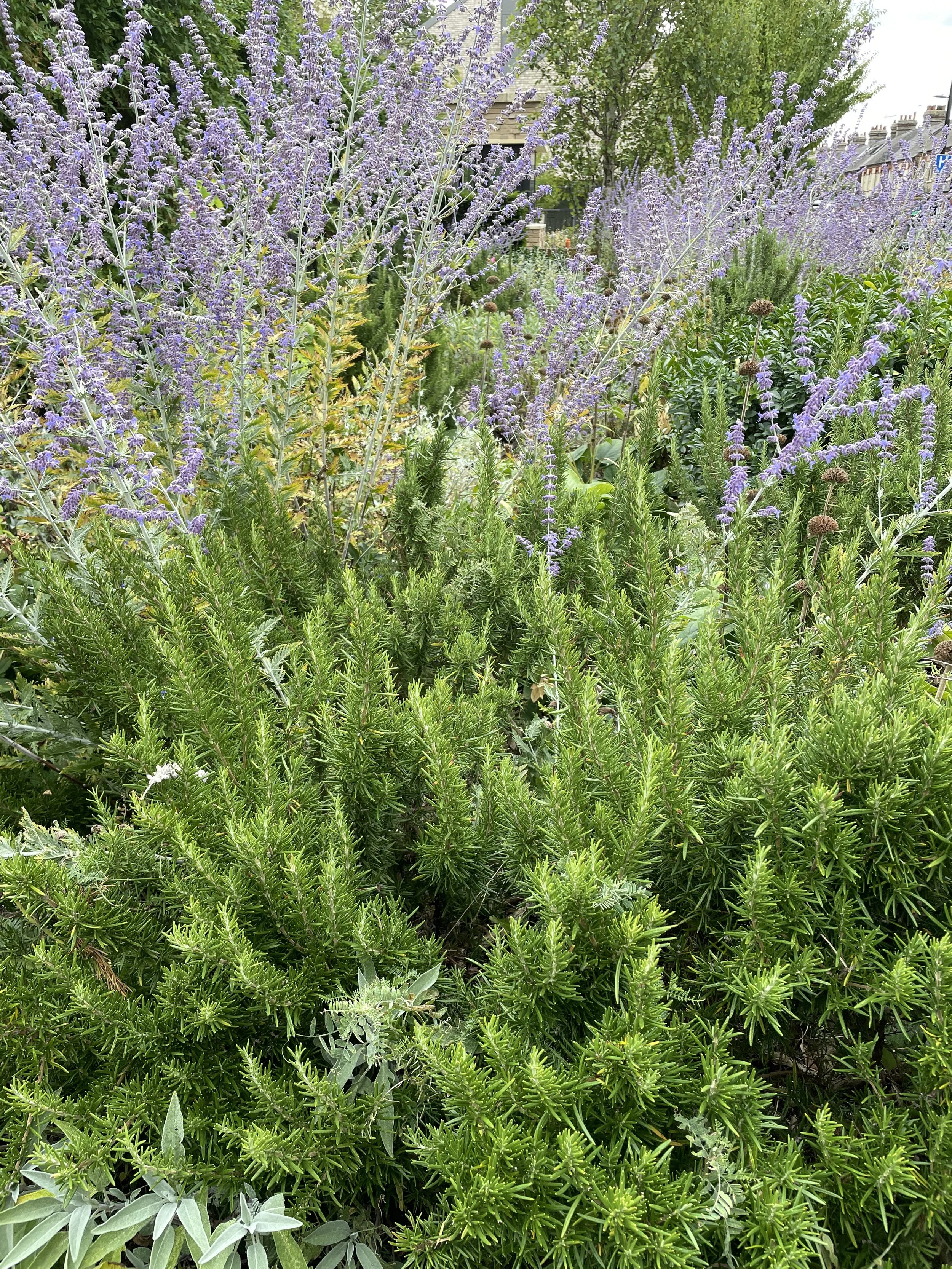
Rosemary at the Cambridge Central Mosque
Medicines from plants
-
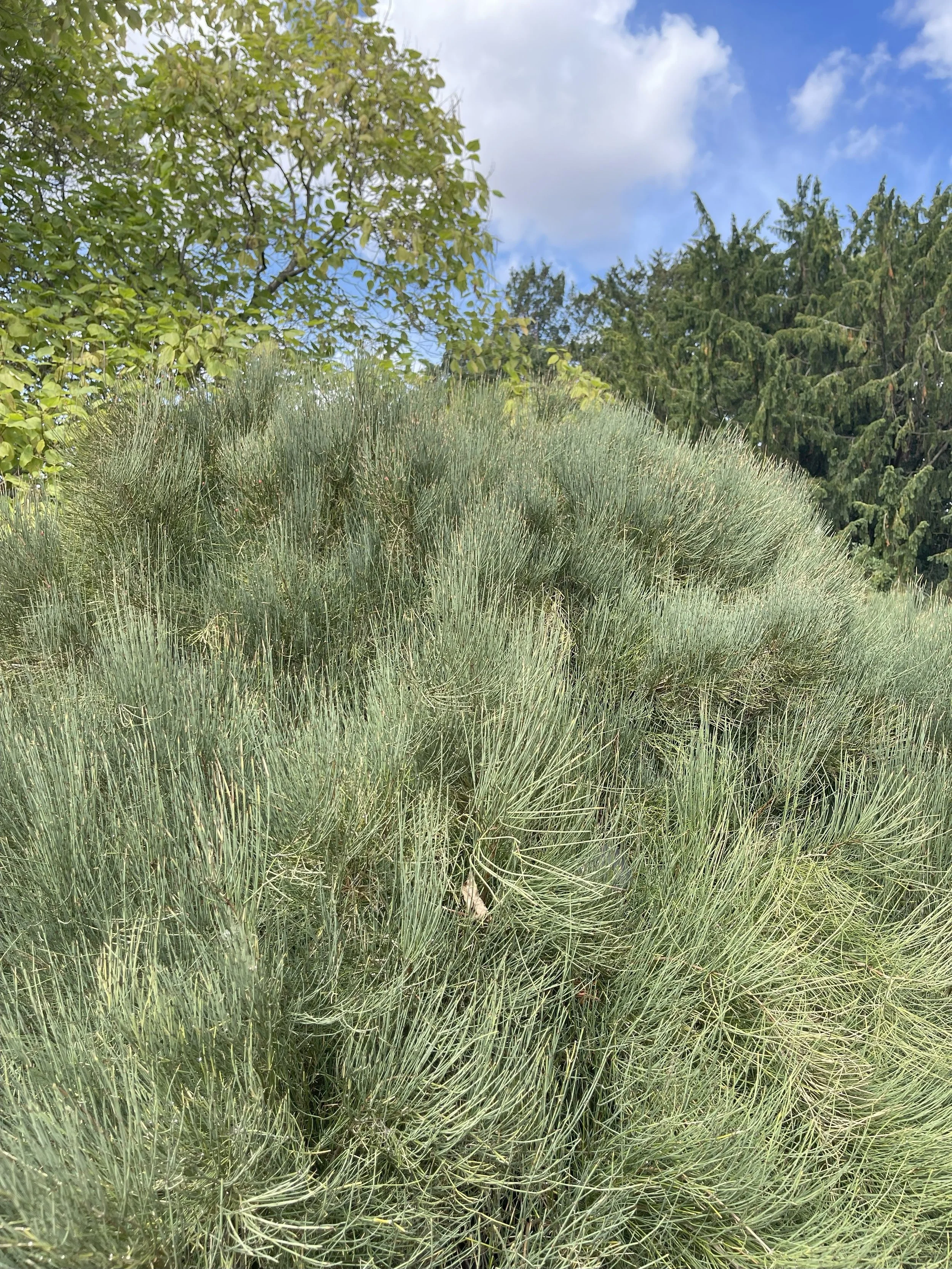
Ephedra distachya (Sea grape)
-
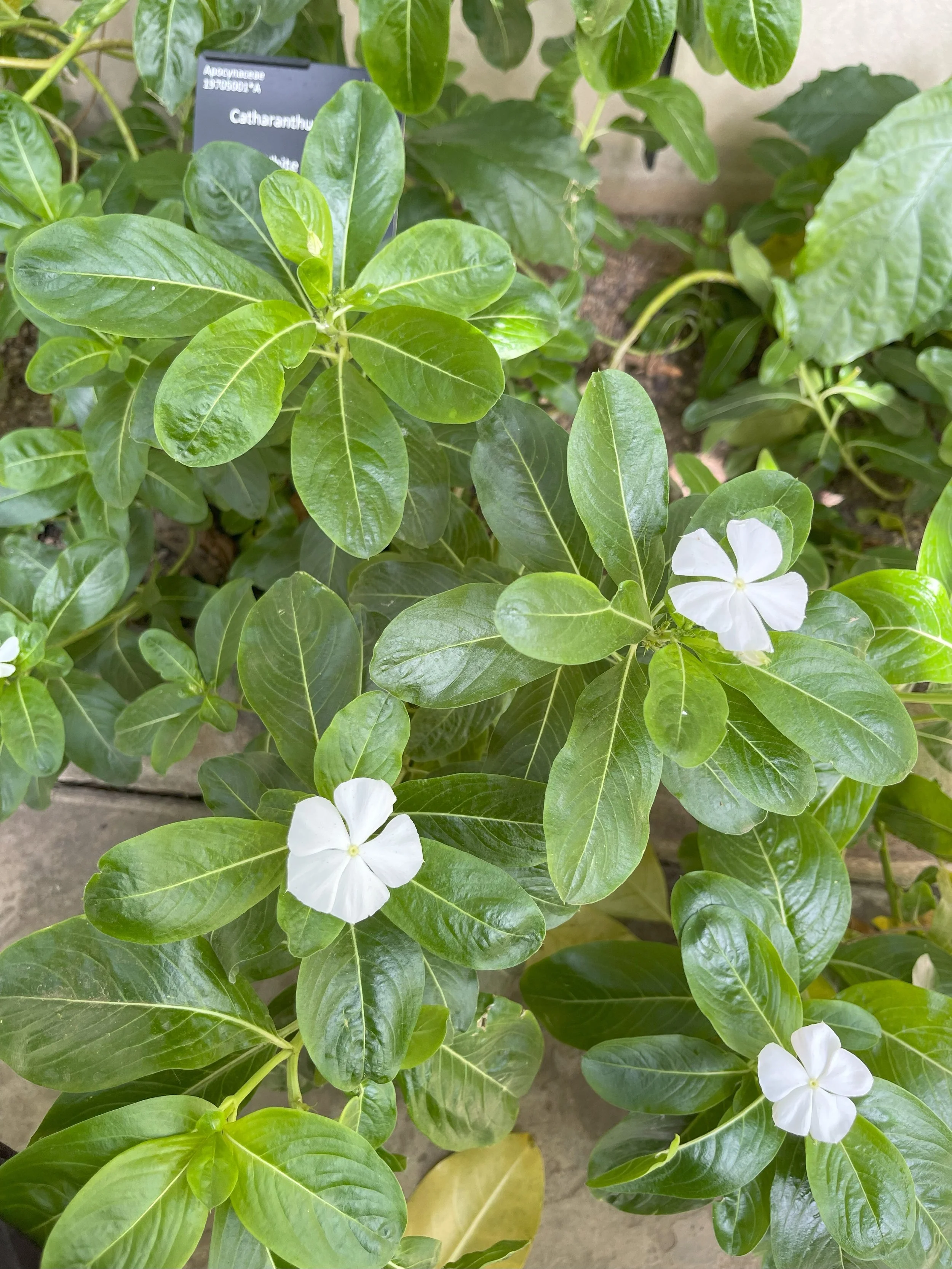
Madagascar periwrinkle (Catharanthus roseus)
-
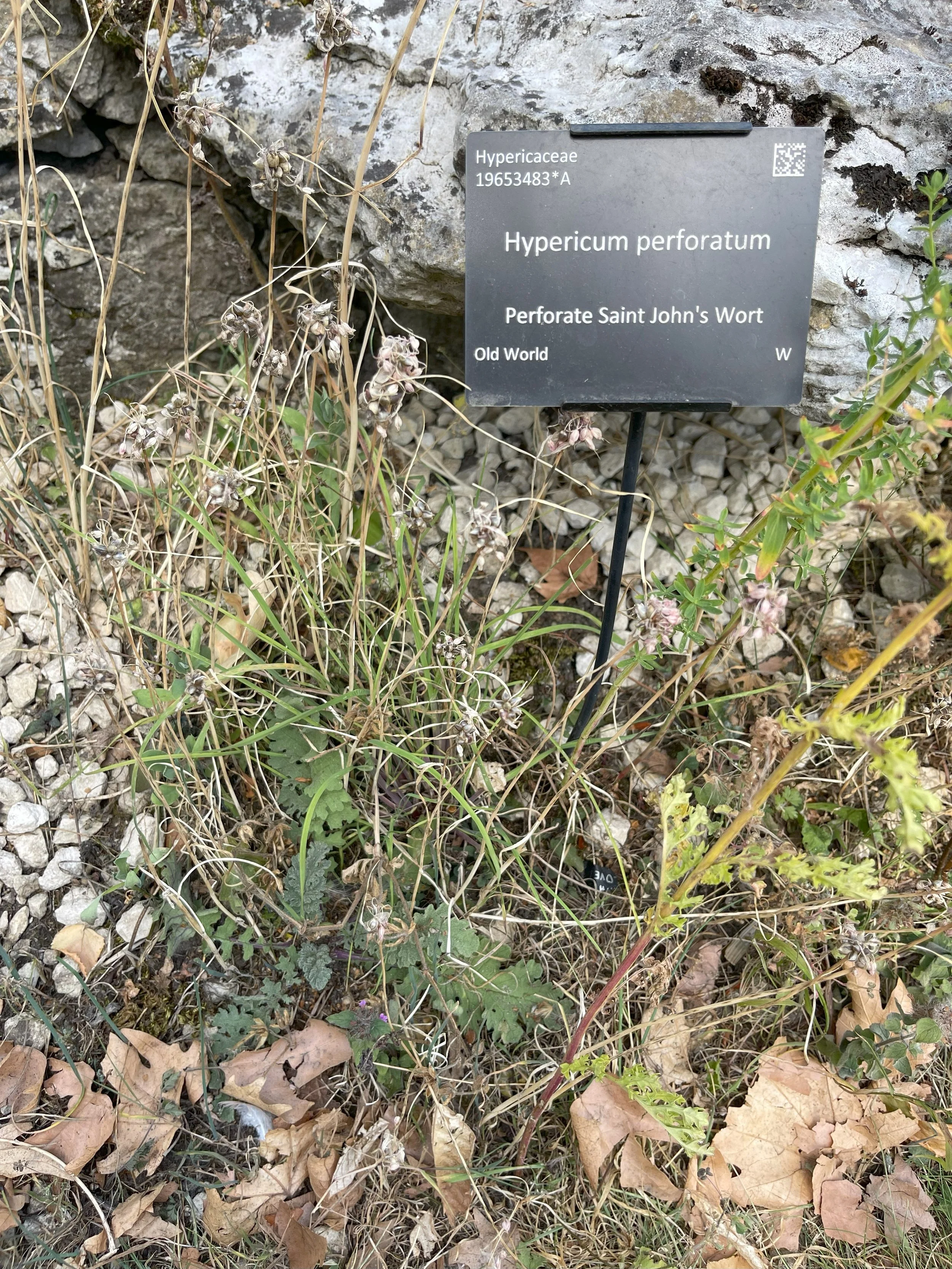
Hypericum perforatum (St John's wort)
-
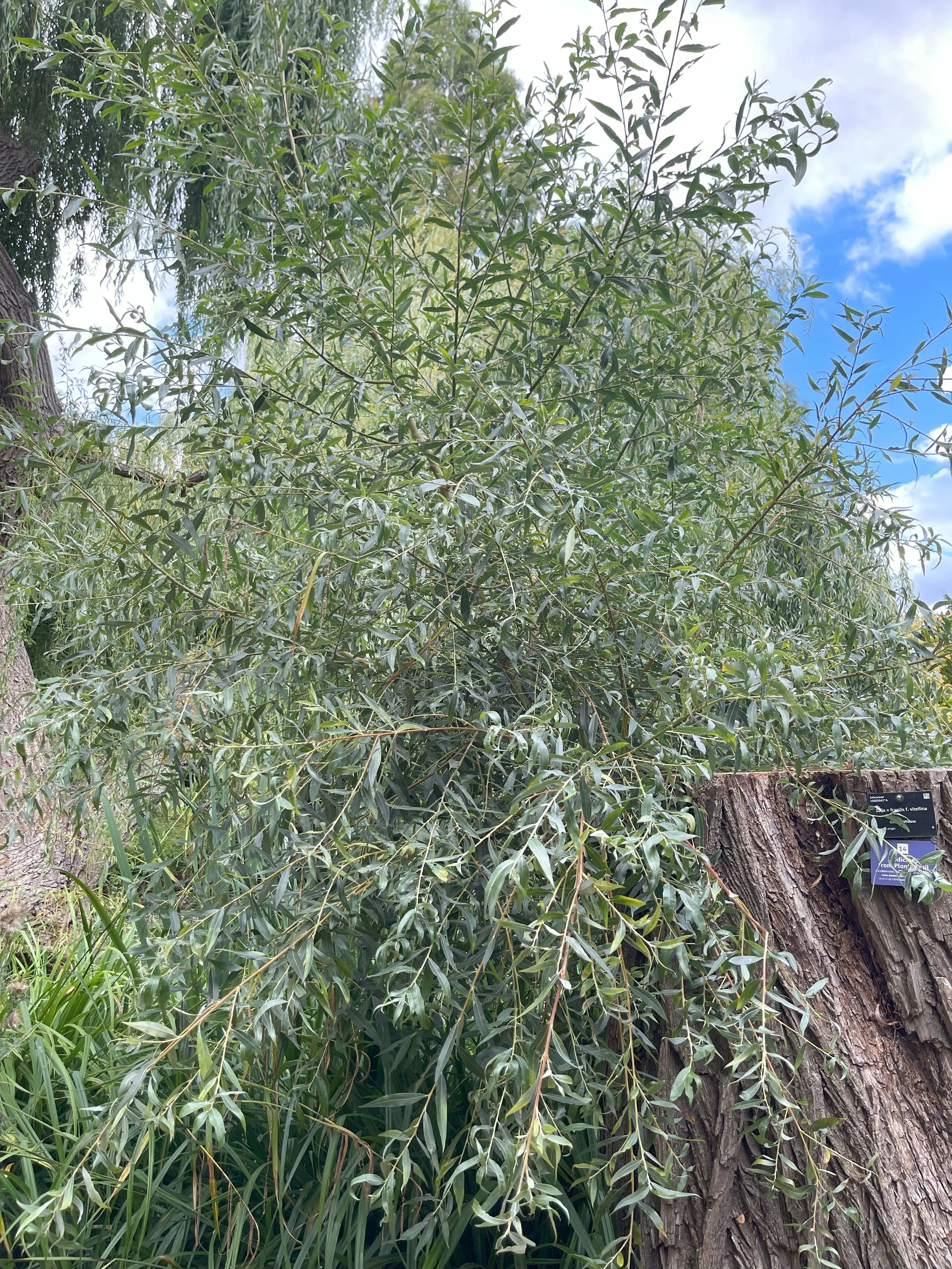
Salix alba (White willow)
-
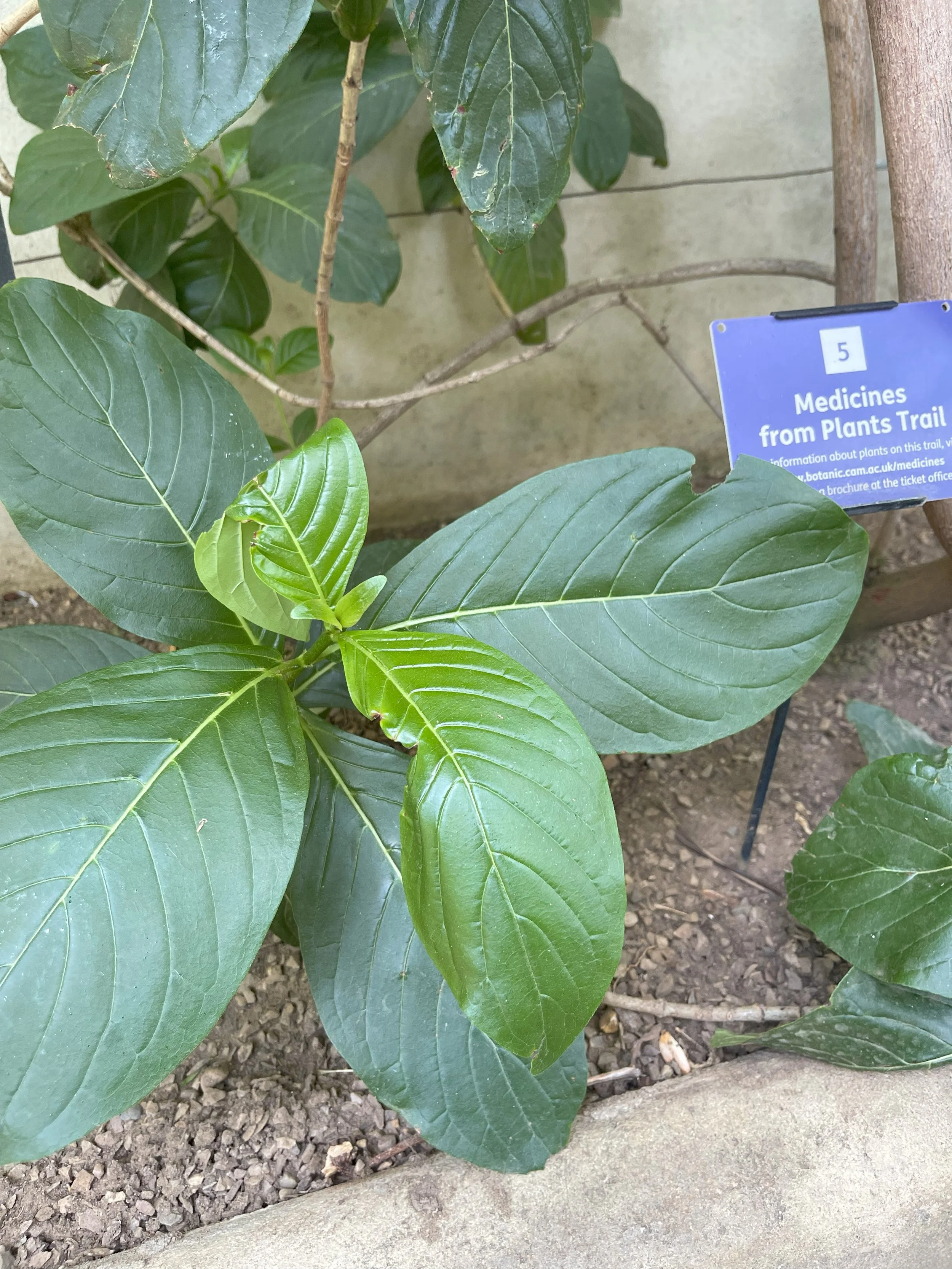
Fever tree
-
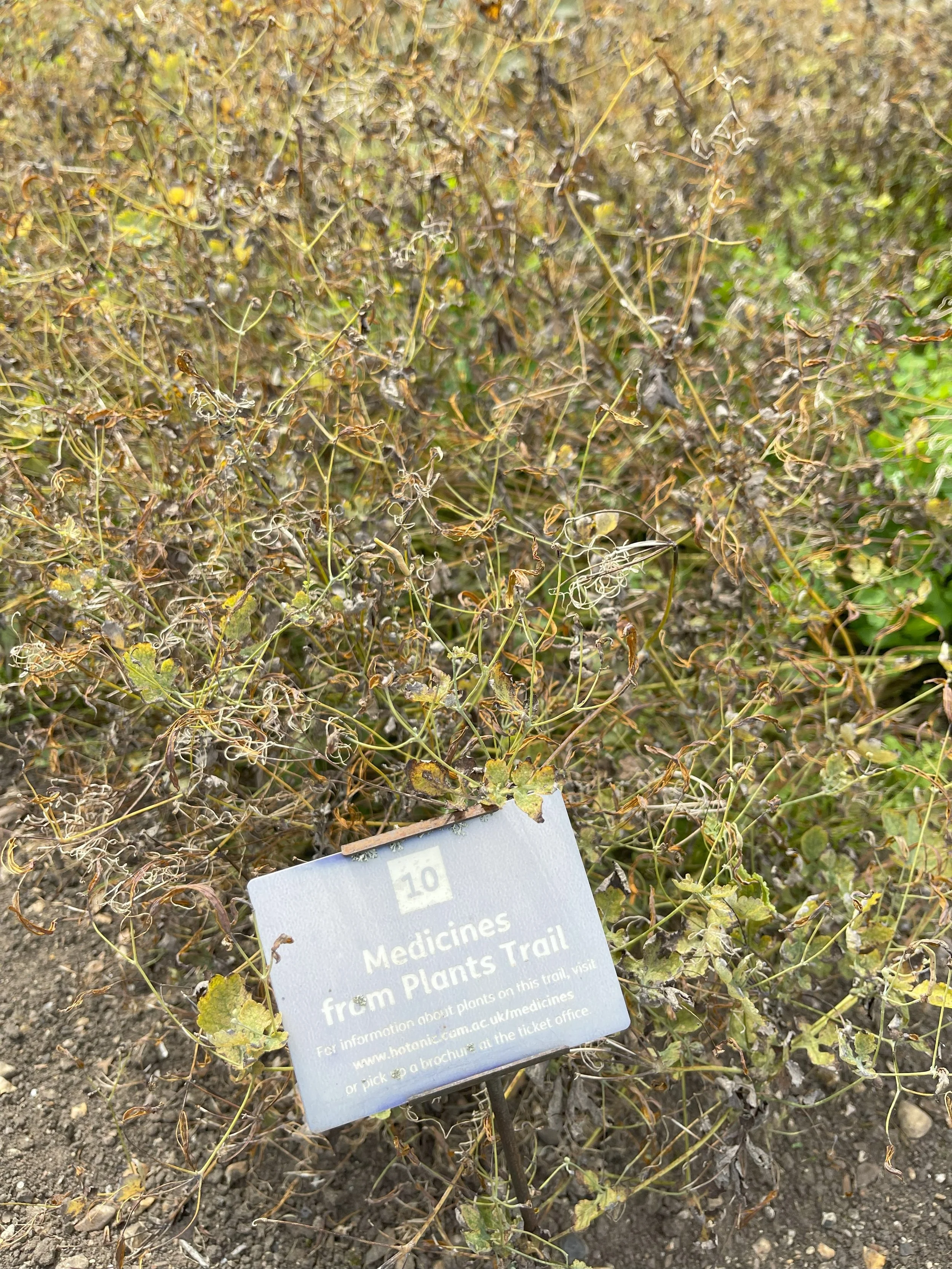
(caption)
Illustrations of plants in Herbal of al-Ghafiqi
-
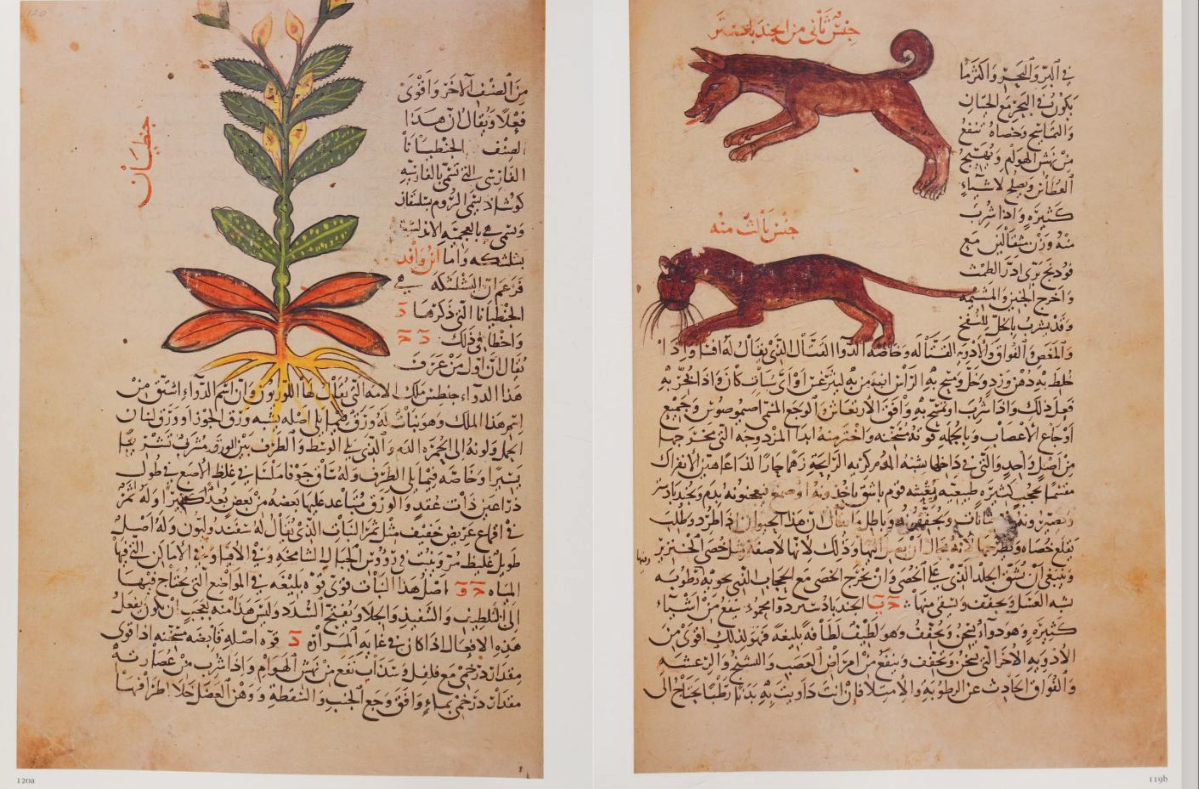
Gentian
-
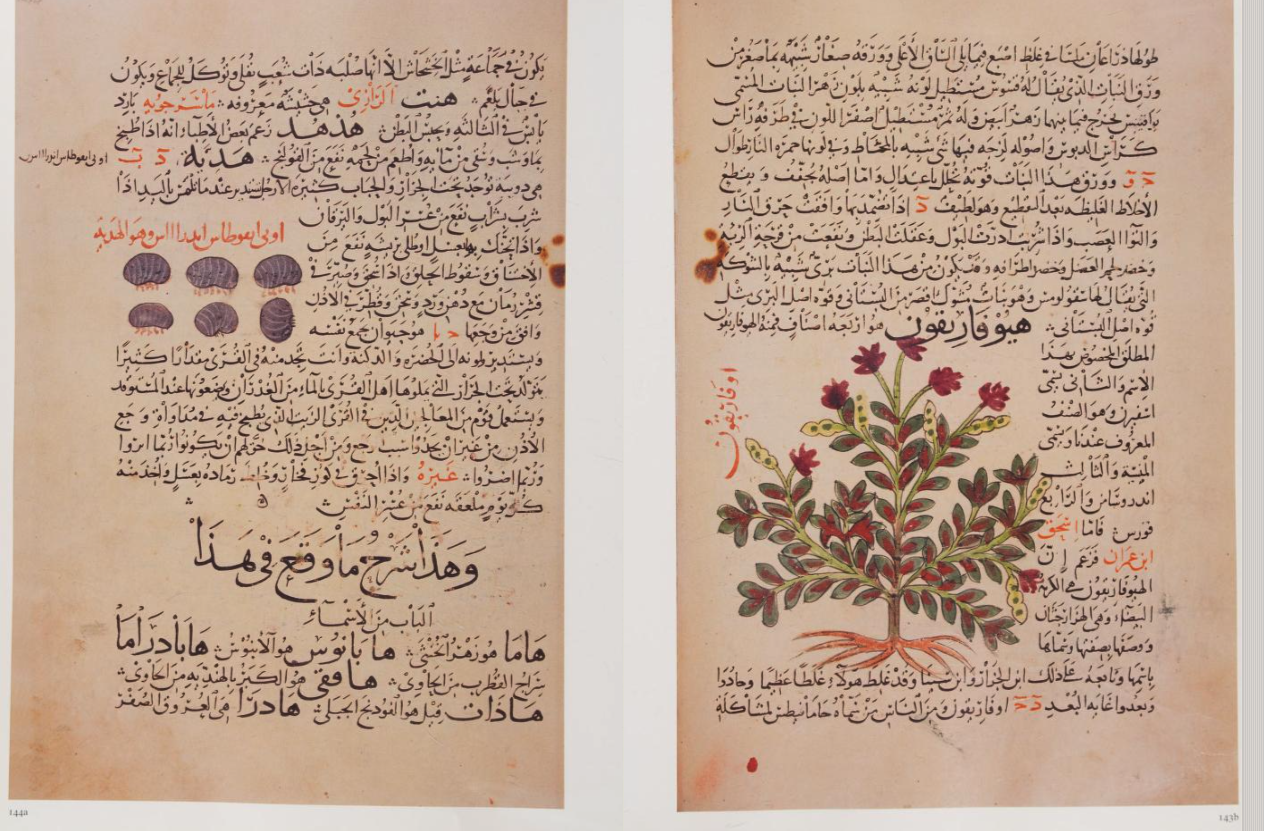
Hufariqun (St John's Wort)
-
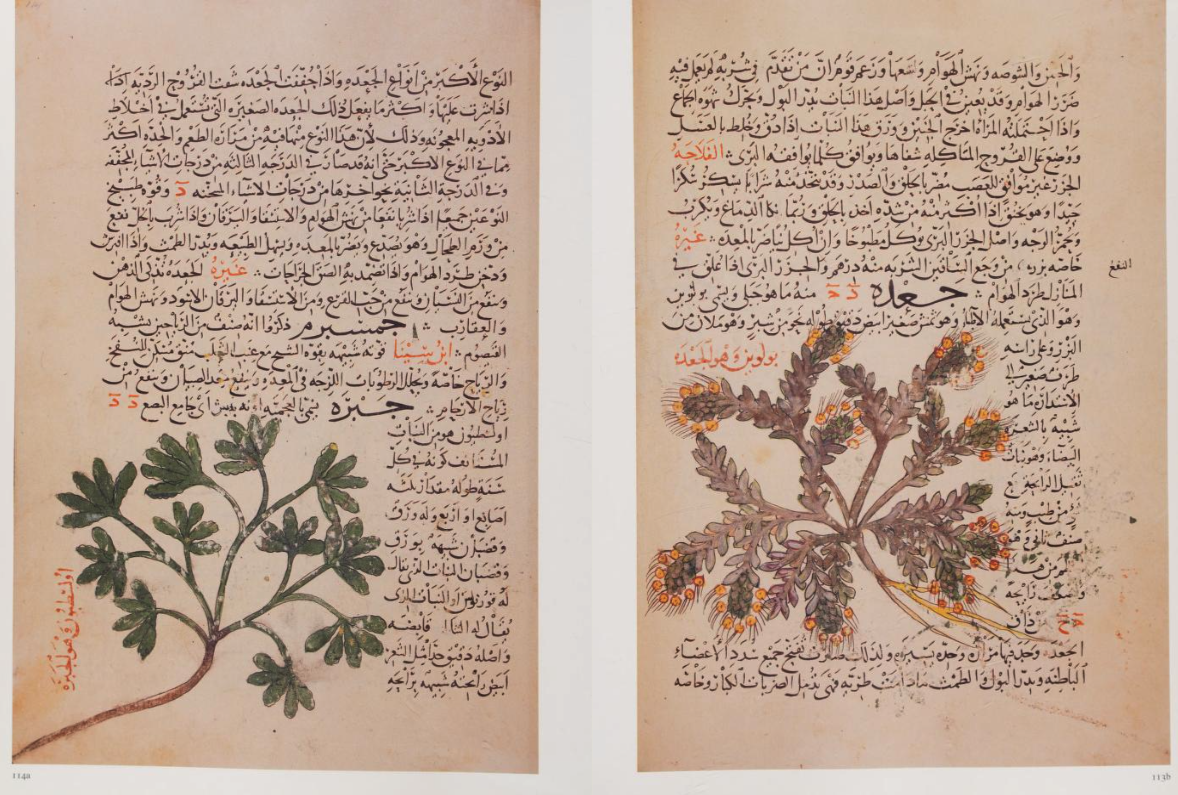
Jada
-
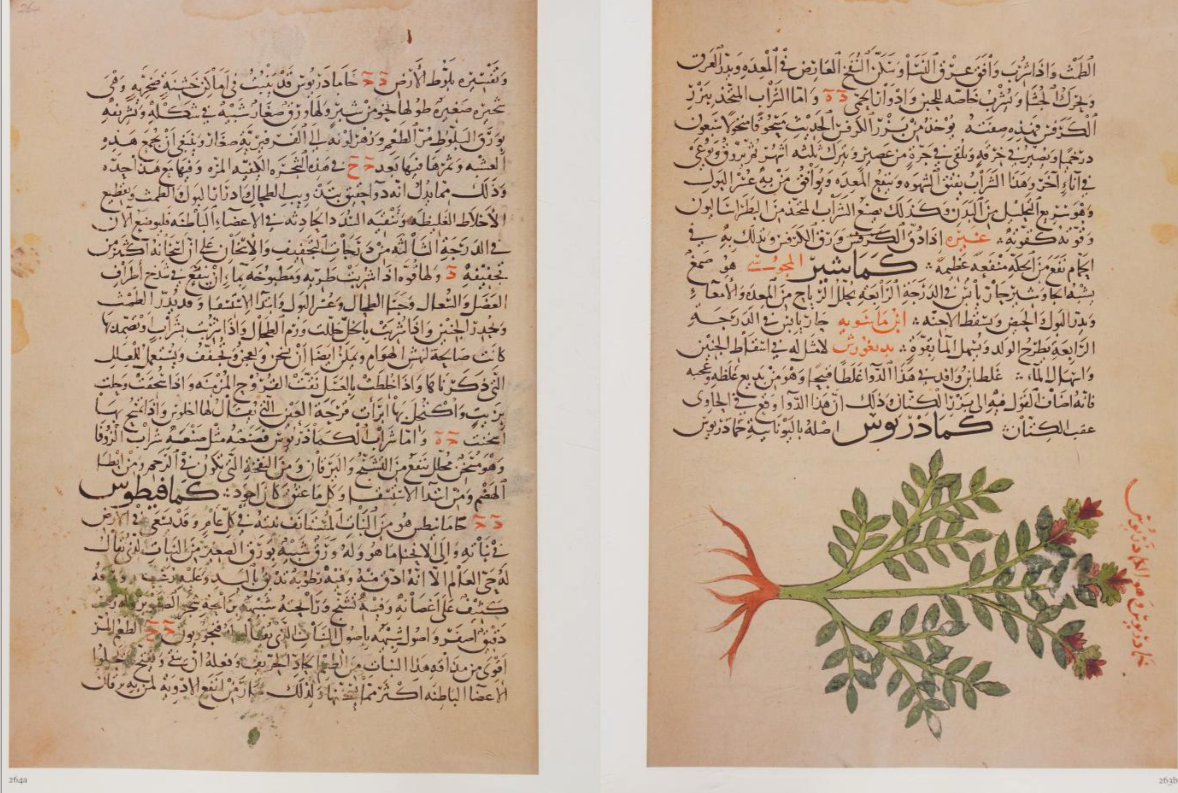
Kamadaryos (Germander)
-
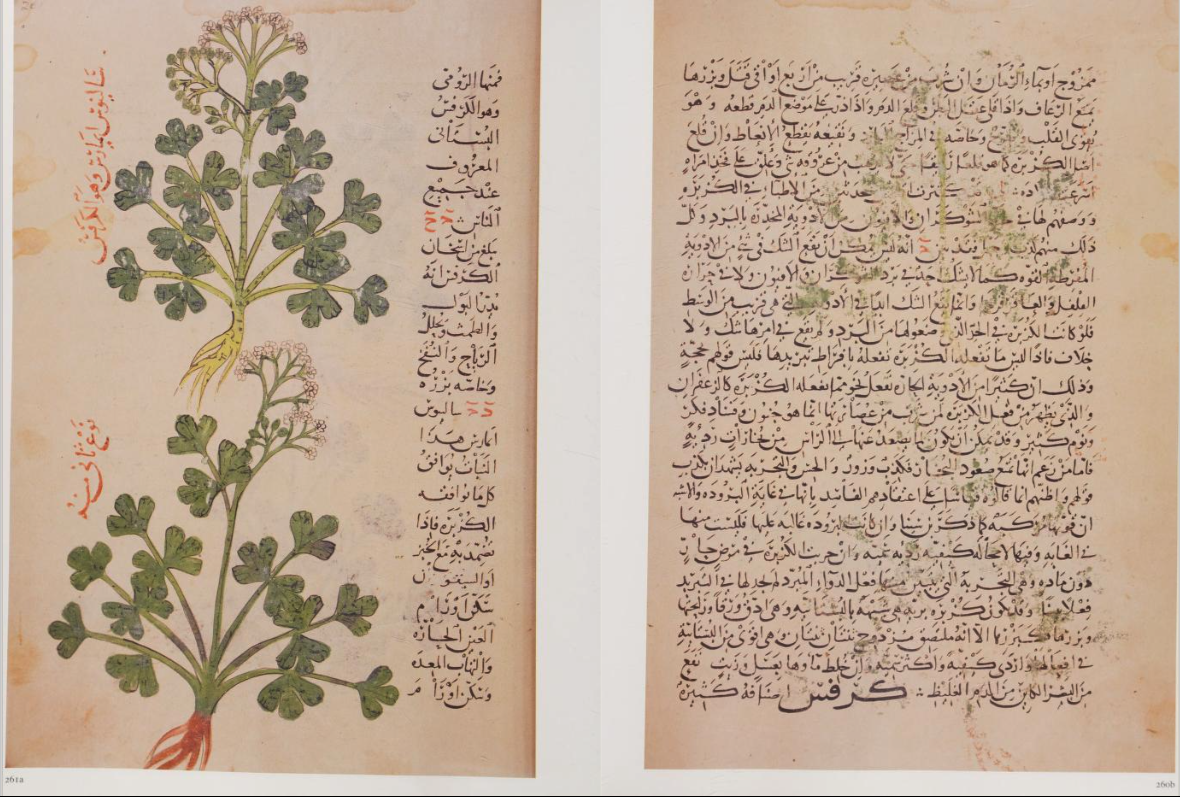
Karfas (Celery)
-
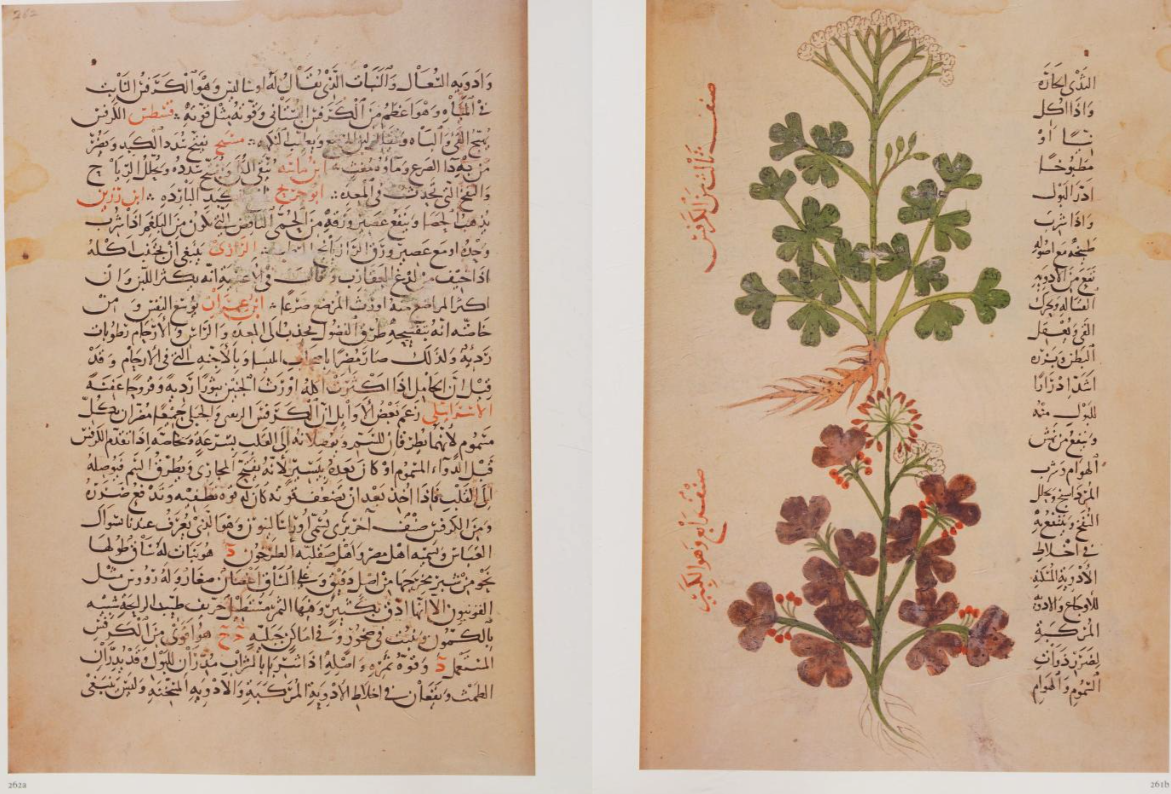
Karfas (Celery)
-
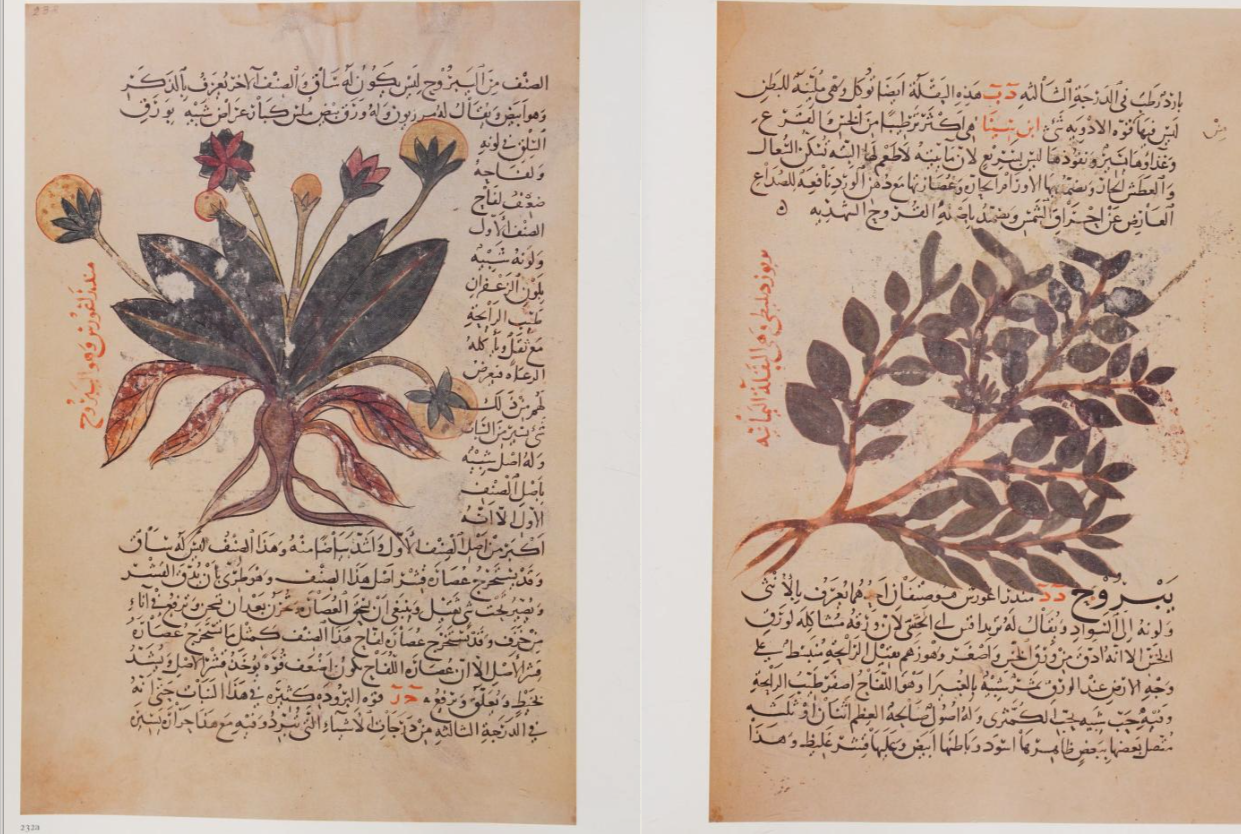
Mandrake
-
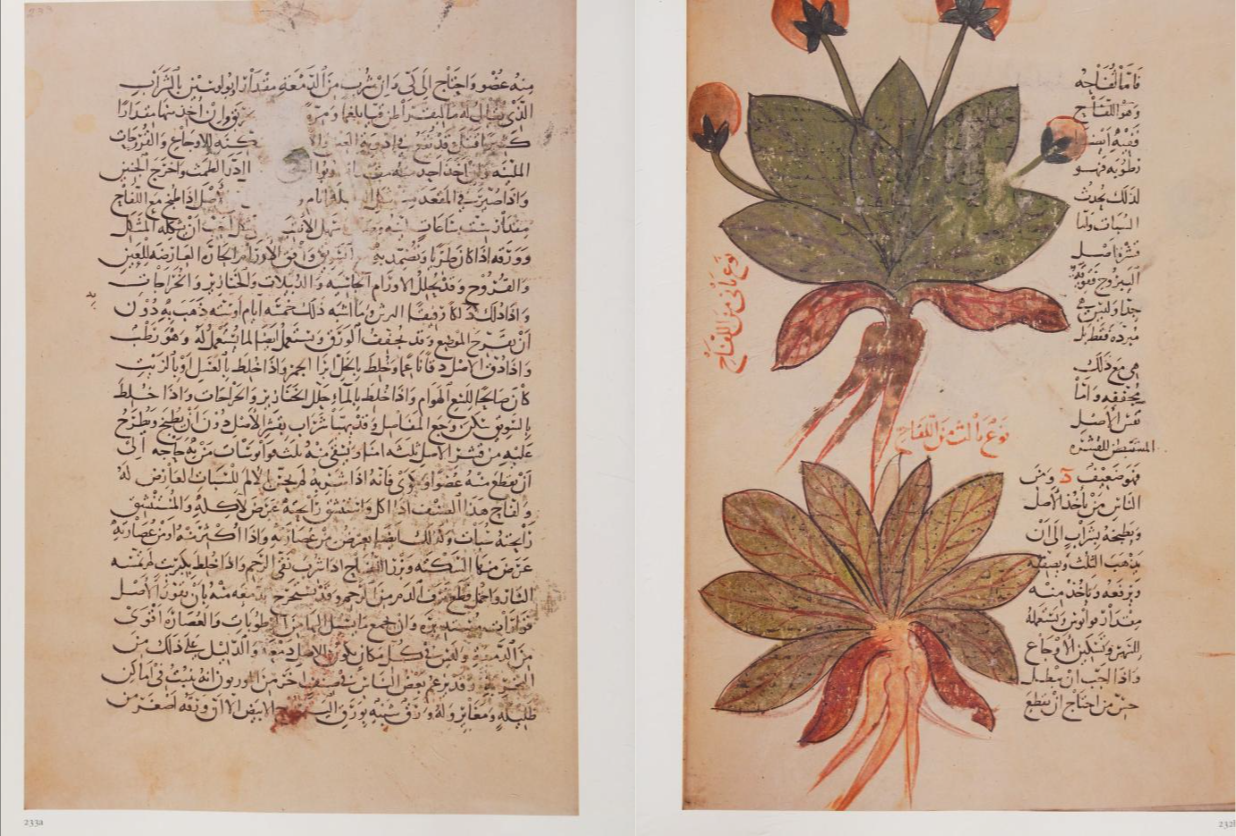
Mandrake
-
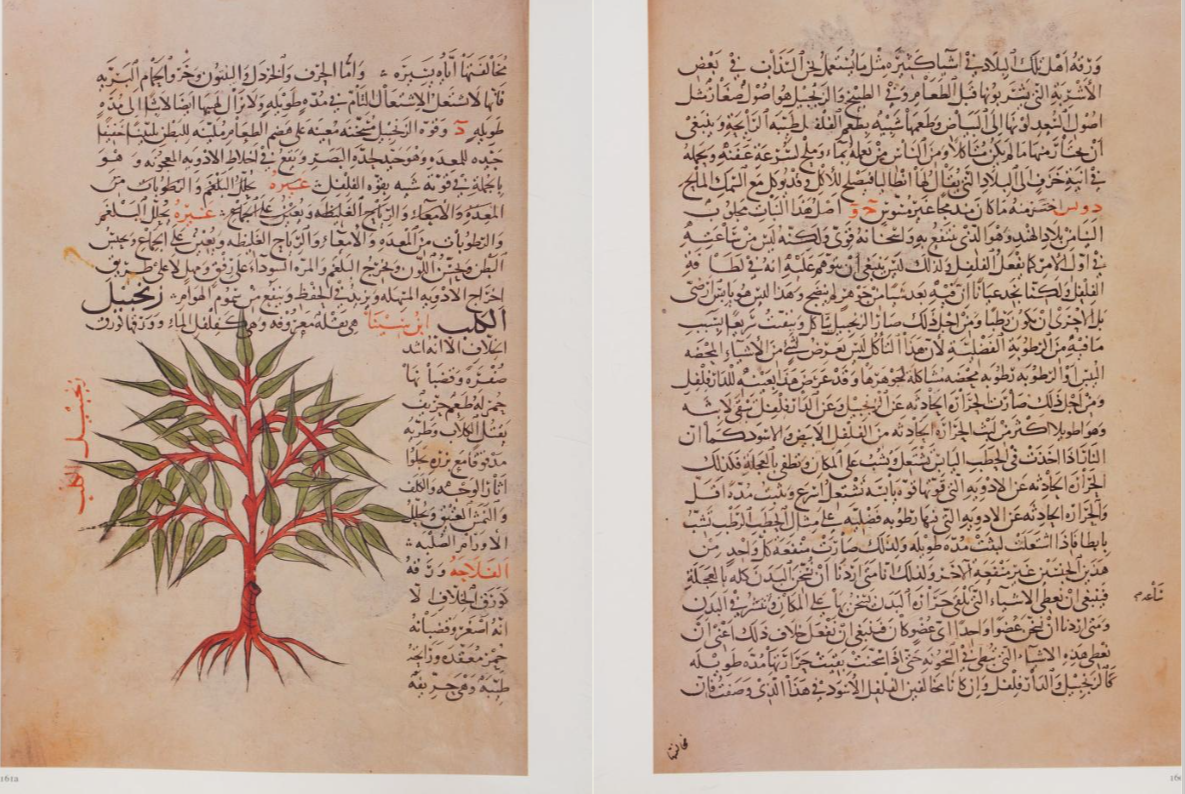
Zanjabil (Ginger)
-
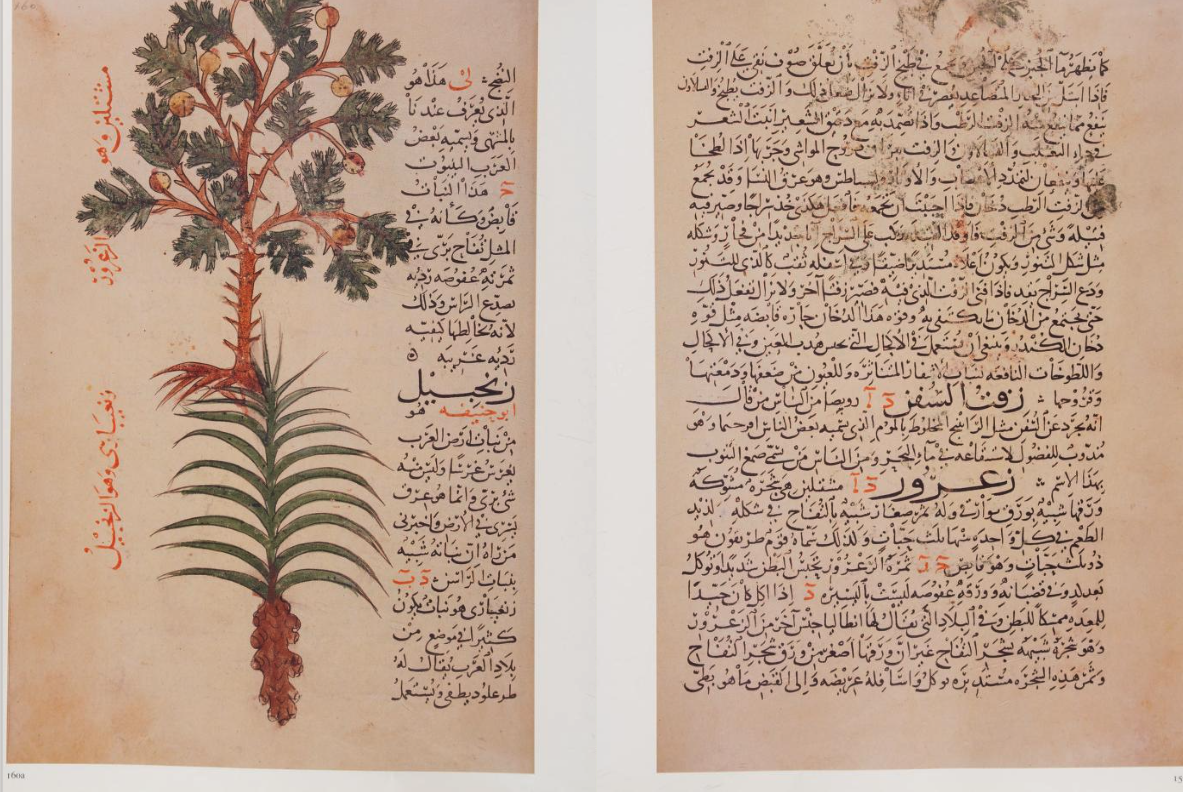
Zanjabil (Ginger)