Historical inks from the natural world
Making pigments and dyes from plants
Workshop with Joumana Medlej
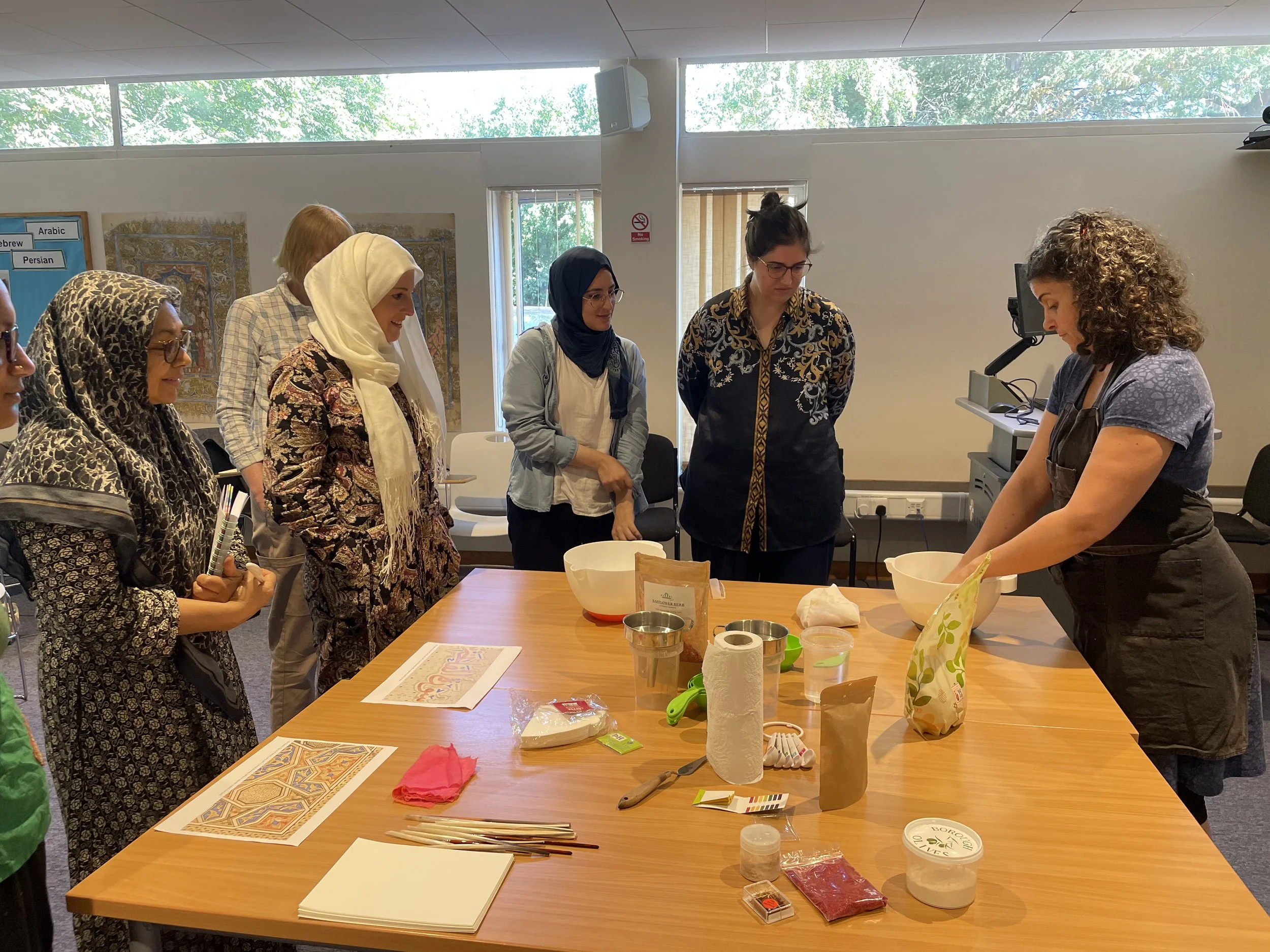
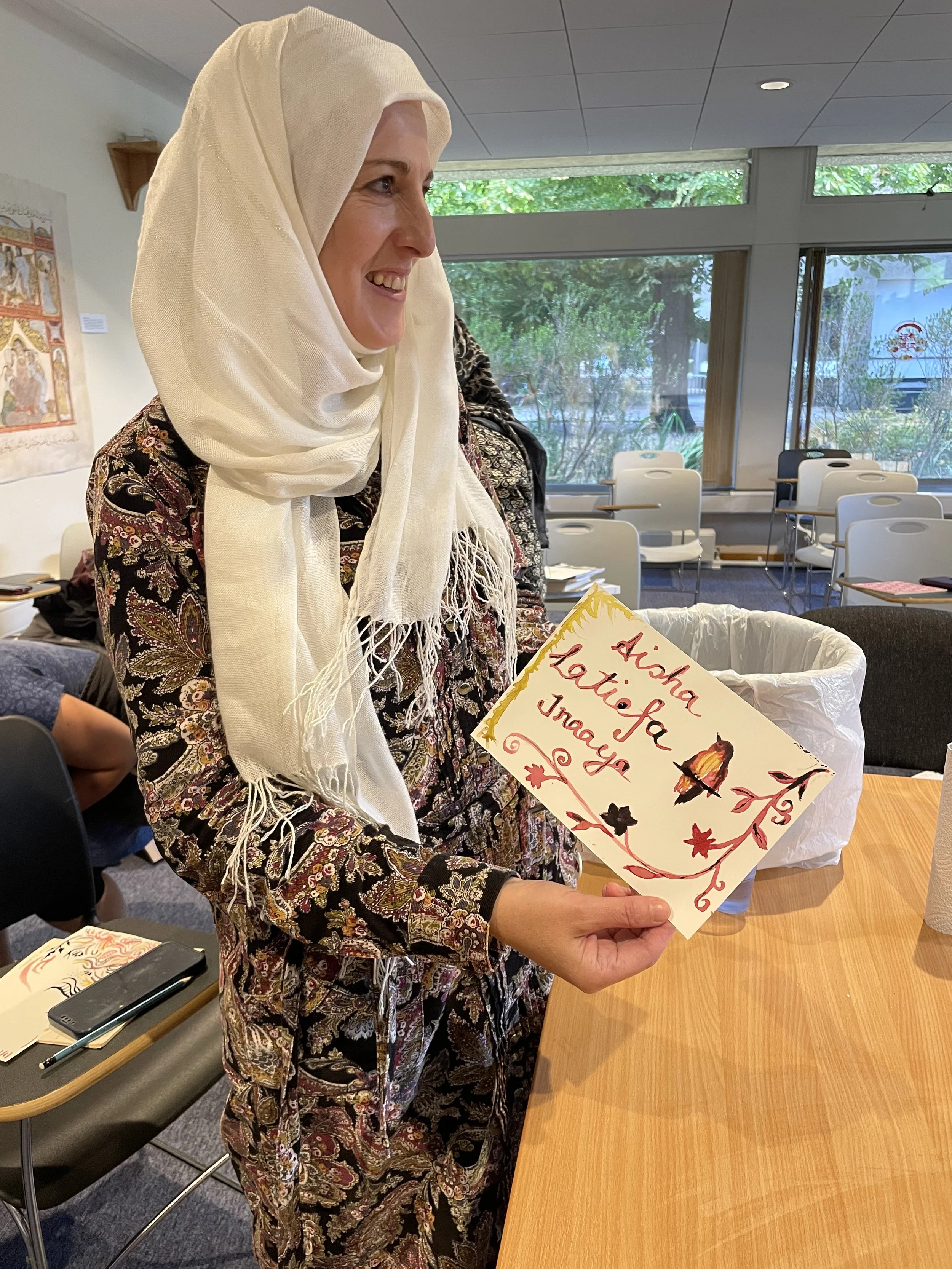
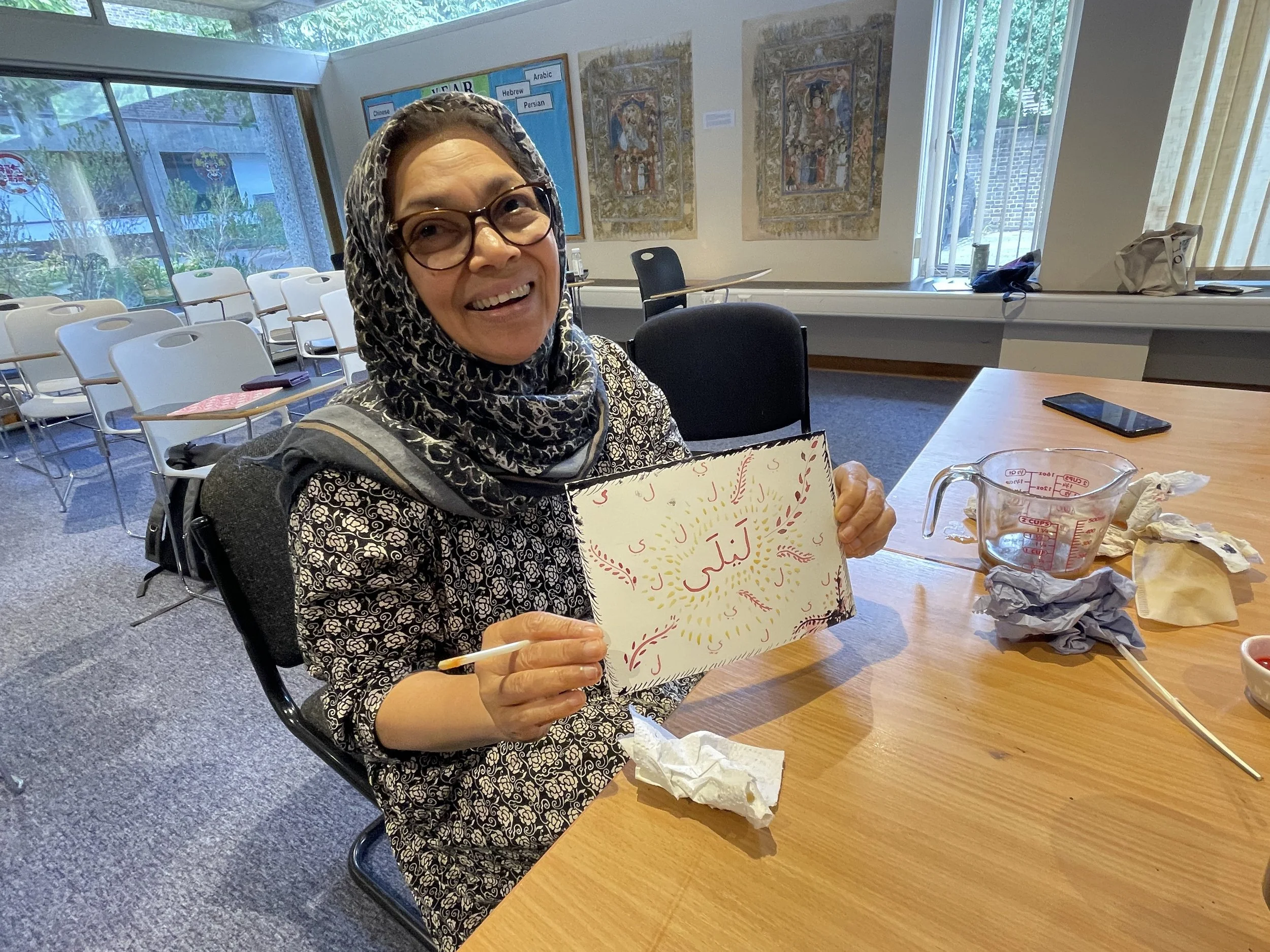
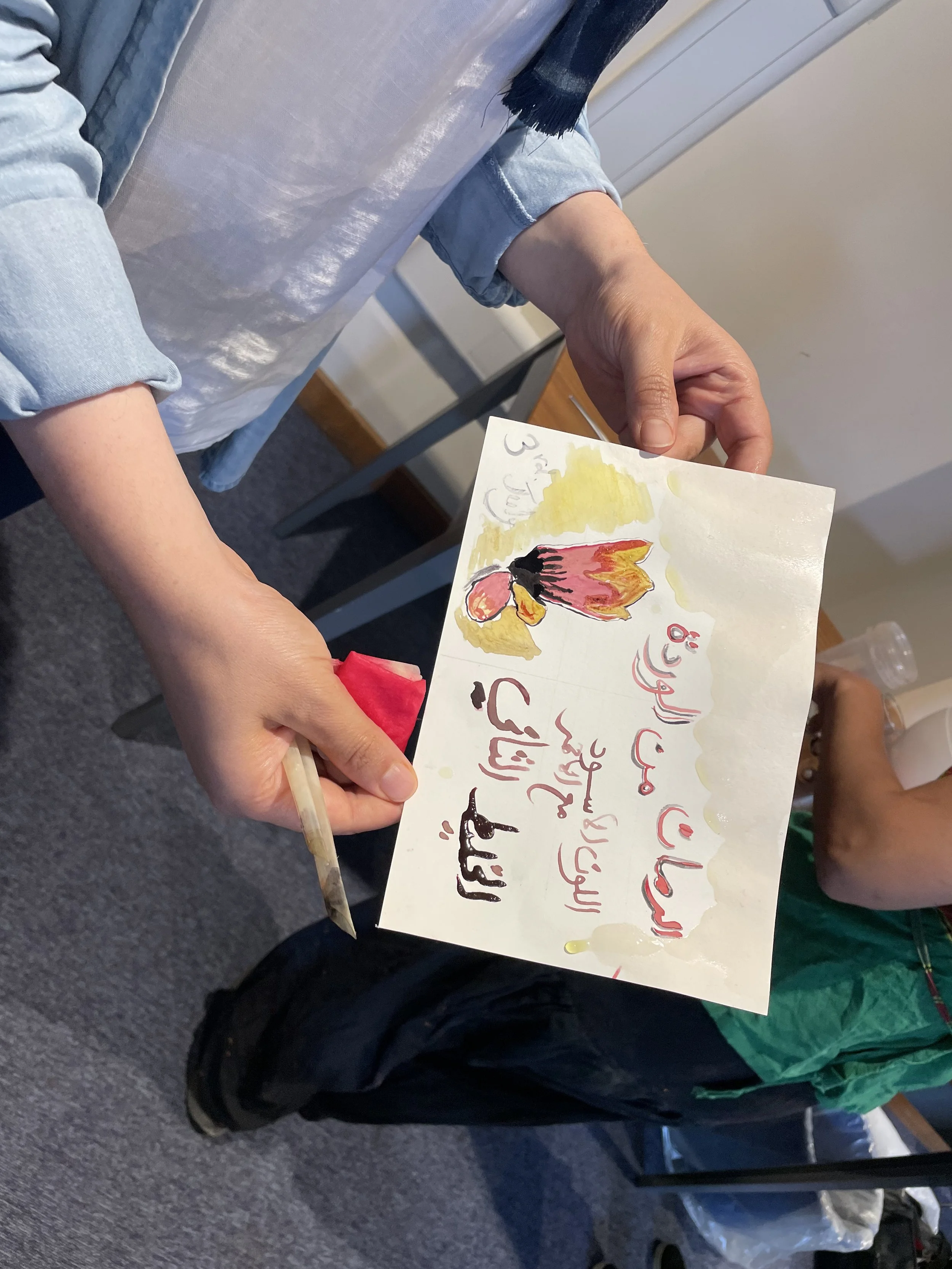
Complementing the medicinal, metaphorical, and ornamental role of plants, this session was intended to highlight another facet of plants: their use in inks and dyes. Joumana is an artist who has been working with natural materials, and has also translated and experimented with historical Arabic texts on inks and dyes. This hands-on session allowed the participants to learn about the ink-making by engaging in the creation process.
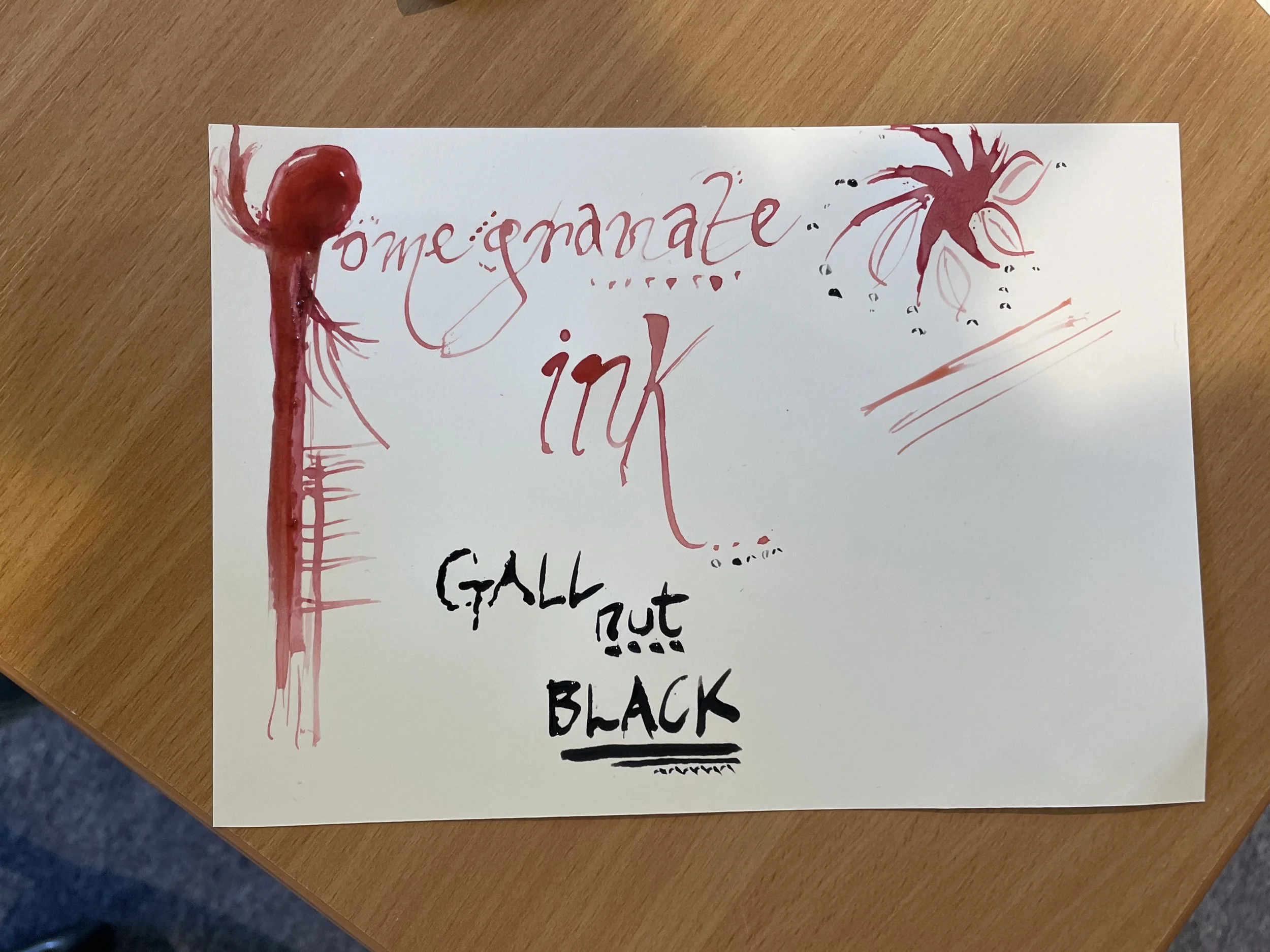
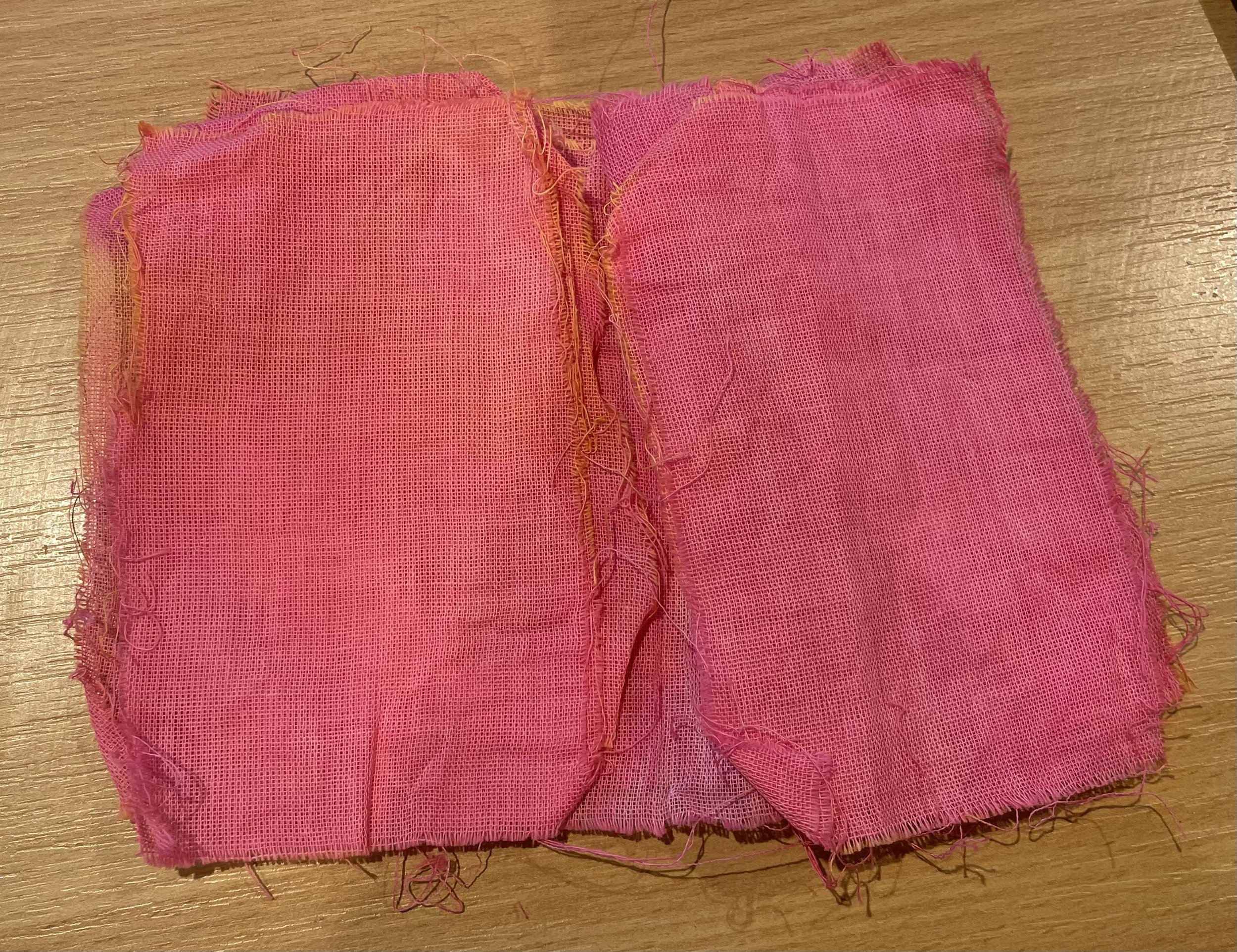
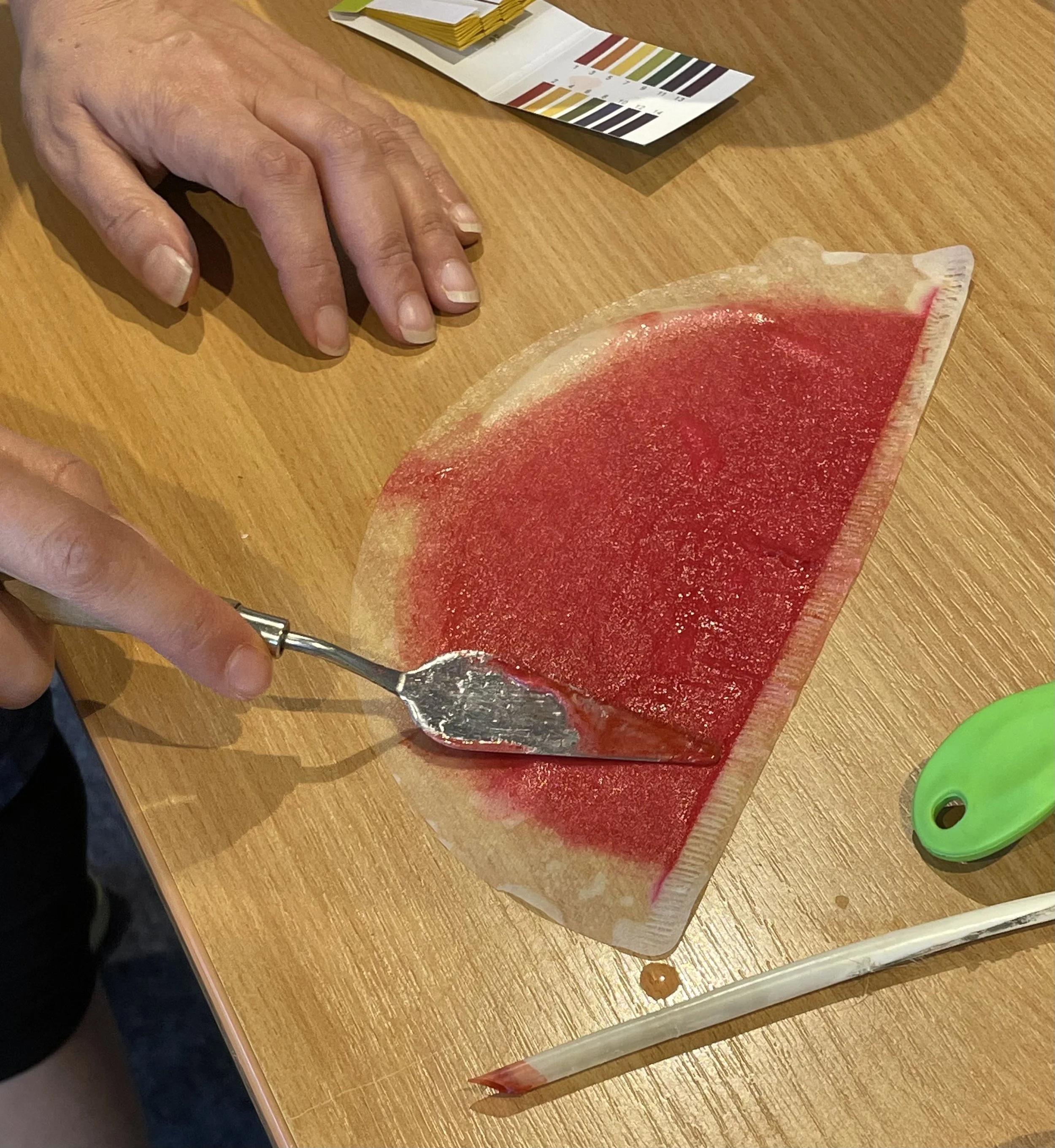
With Joumana, we created four main inks: safflower, saffron, pomegranate, and oak gall.
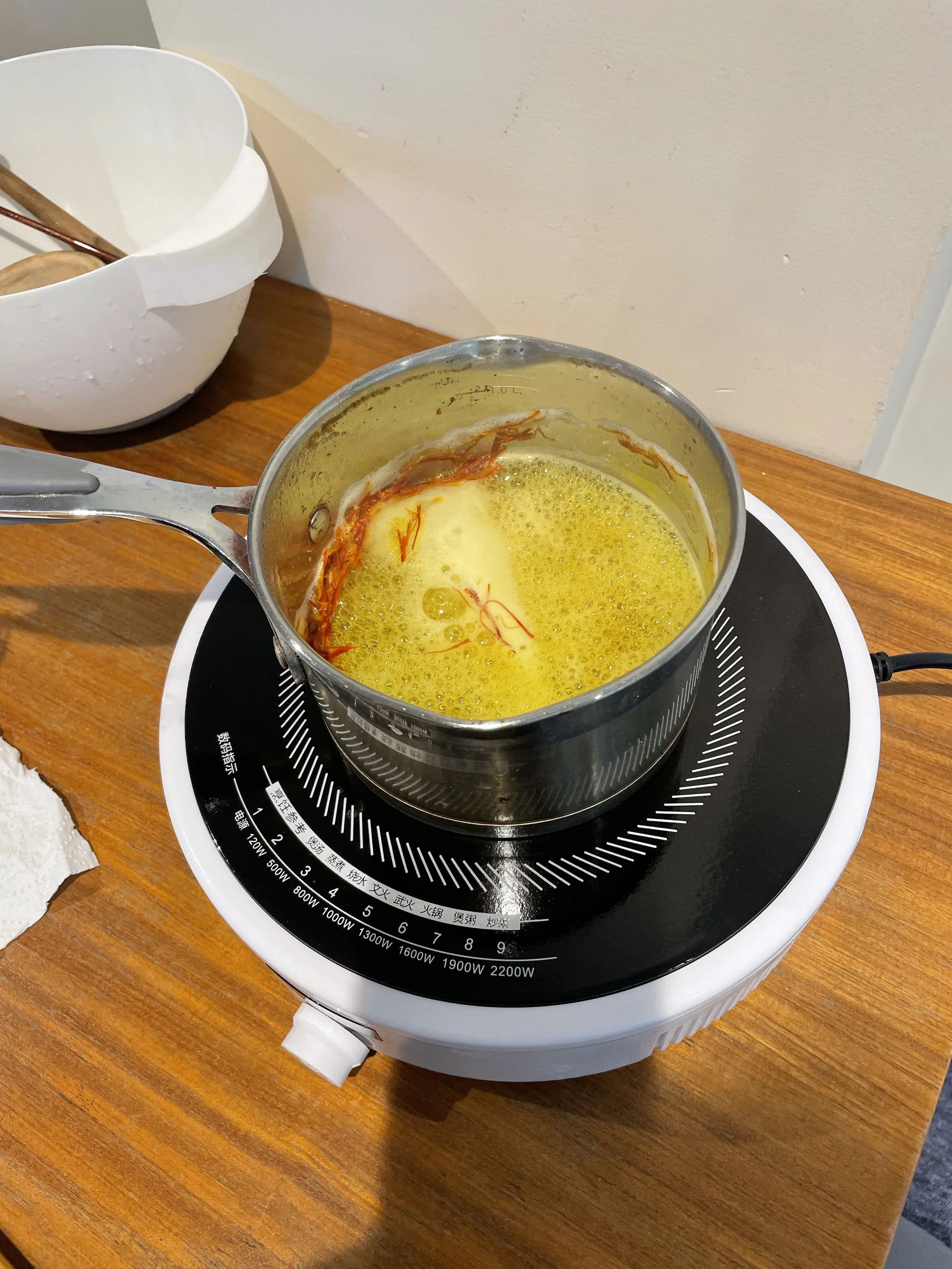
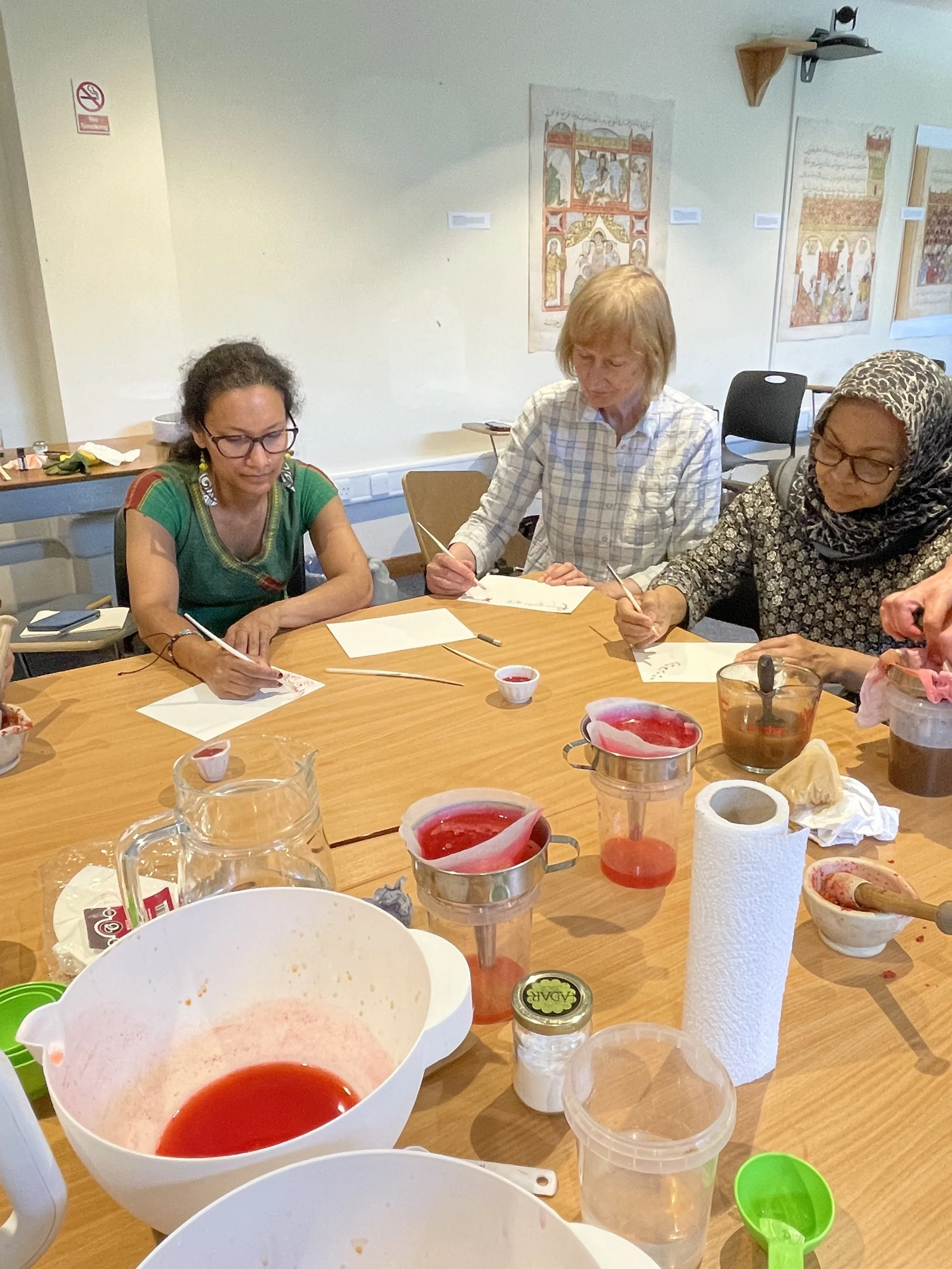
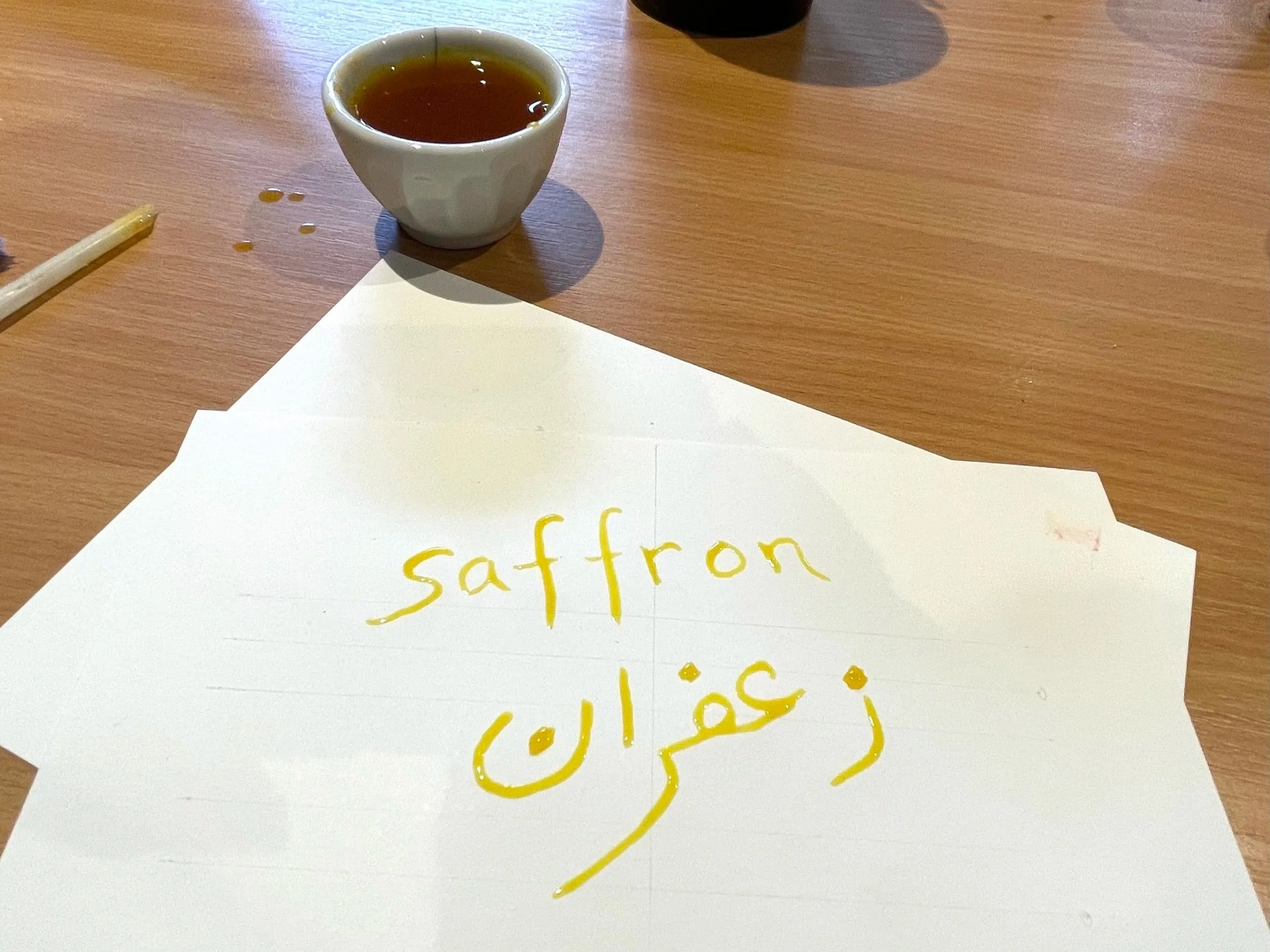
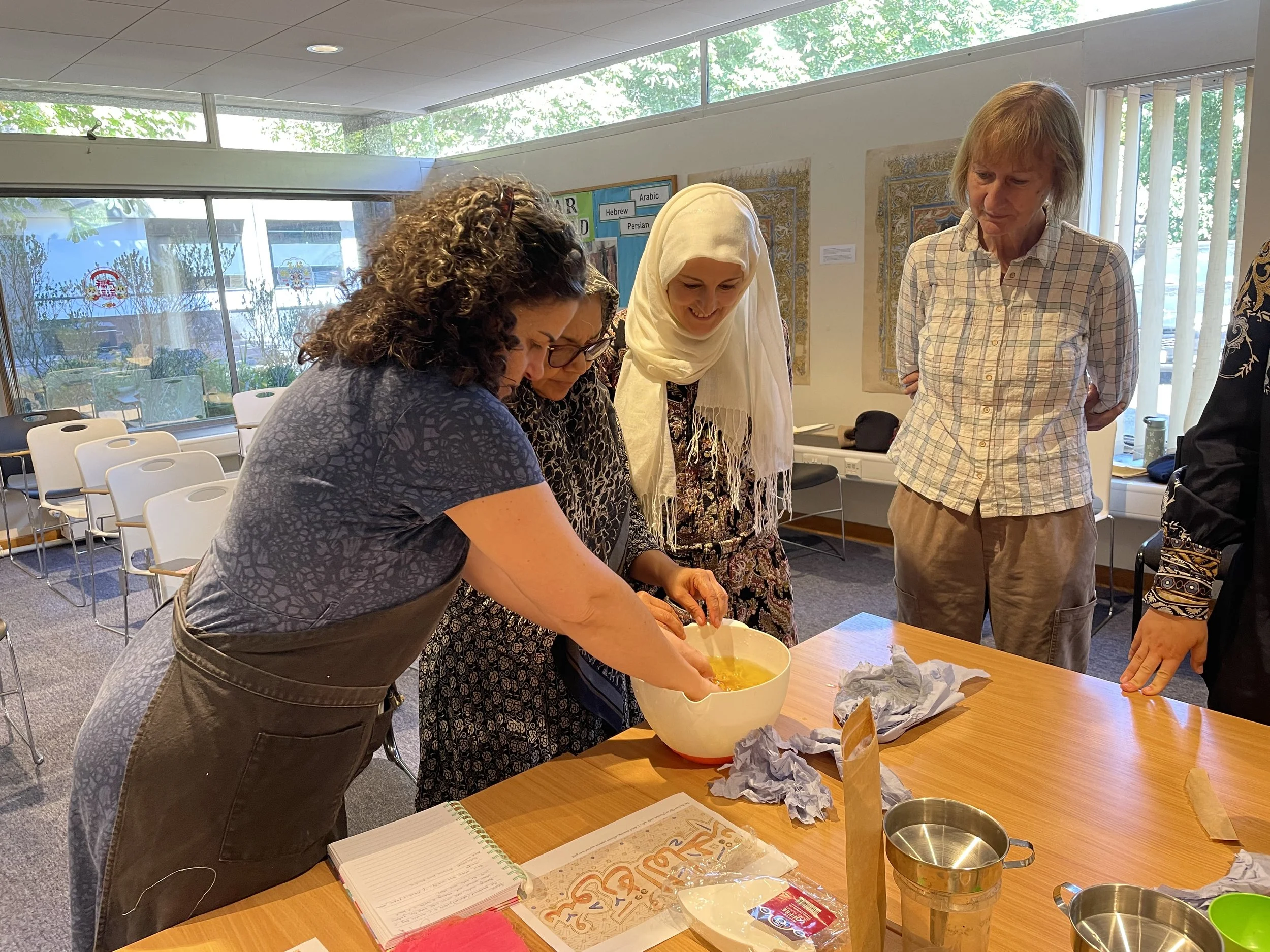
Testing out saffron ink pigment
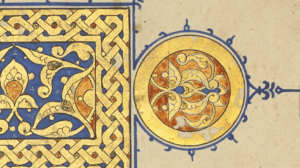
A 14th-century Quran manuscript of Sultan Baybars showing the safflower pigment applied over gold. British Library Add MS 22406
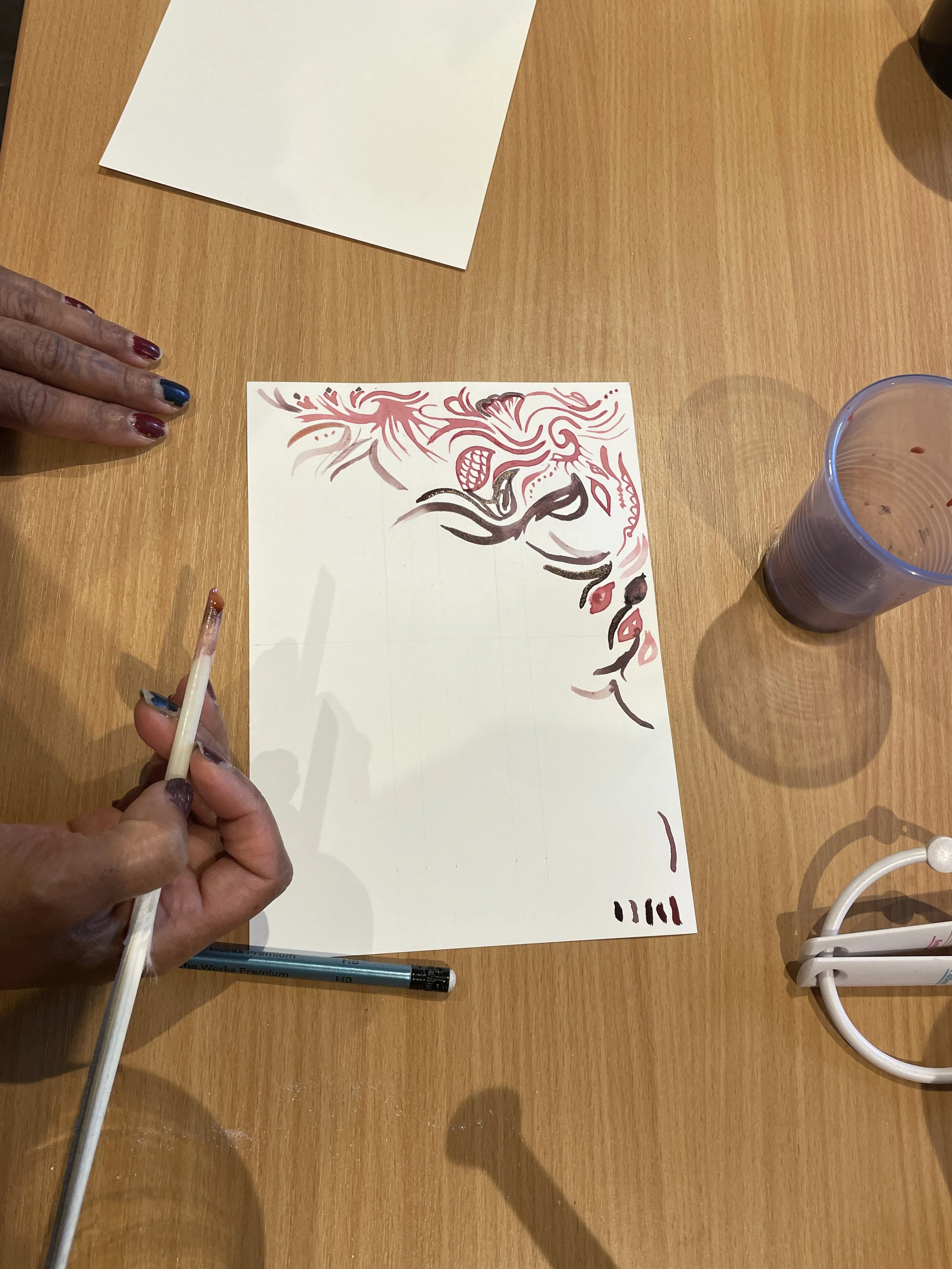
Explorations with saffron ink
Recipes for making yellow ink using saffron
Ingredients:
gallnuts
water
gum solution
turmeric
saffron
Simple yellow recipe:
Crush some gallnuts.
Soak in water for 1 hour.
Add gallnut extract, gum solution, and orpiment to a bowl. Bray until smooth.
Golden ink recipe:
Chop turmeric and simmer in a pot of water until all colour has been disgorged. Then strain.
Add saffron to the pot and simmer again until saffron is spent. Strain.
Add gallnut extract and gum solution to the pot.
Take off heat and stir. You can add soda for a red hue.
Recipe by Joumana Medlej.