
University Library Manuscripts
Part 1
Plants in Scientific and Literary Manuscripts
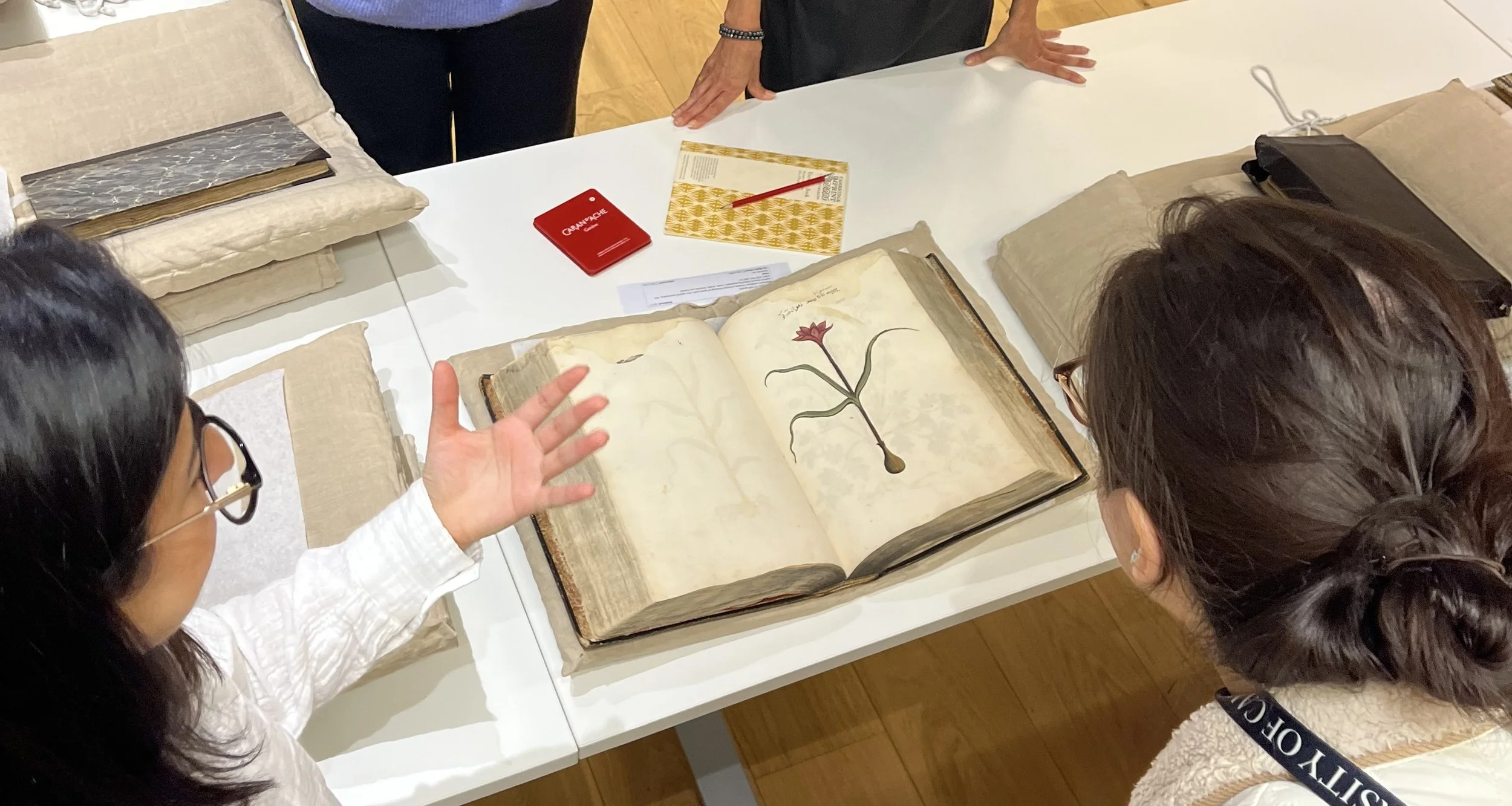
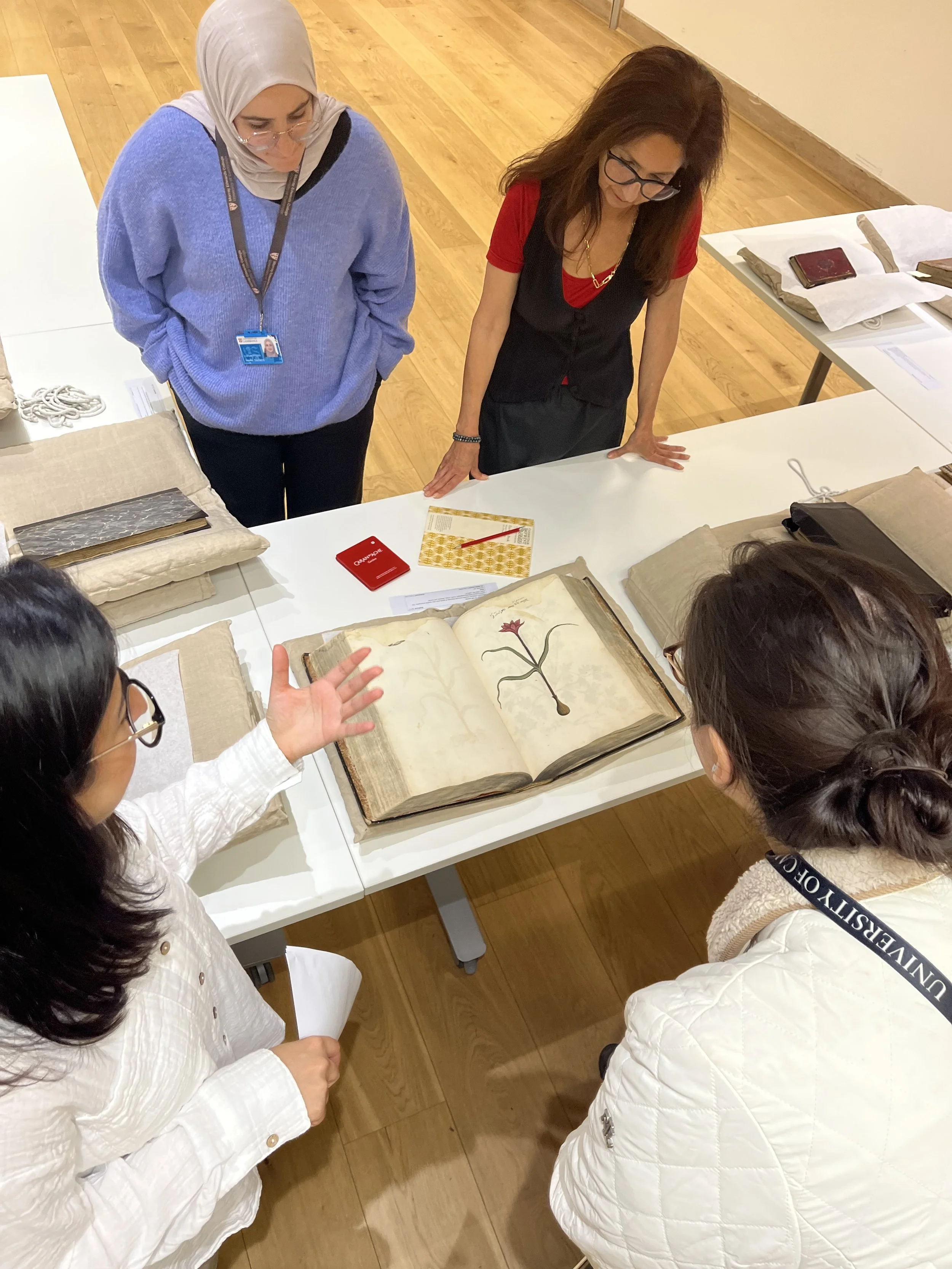
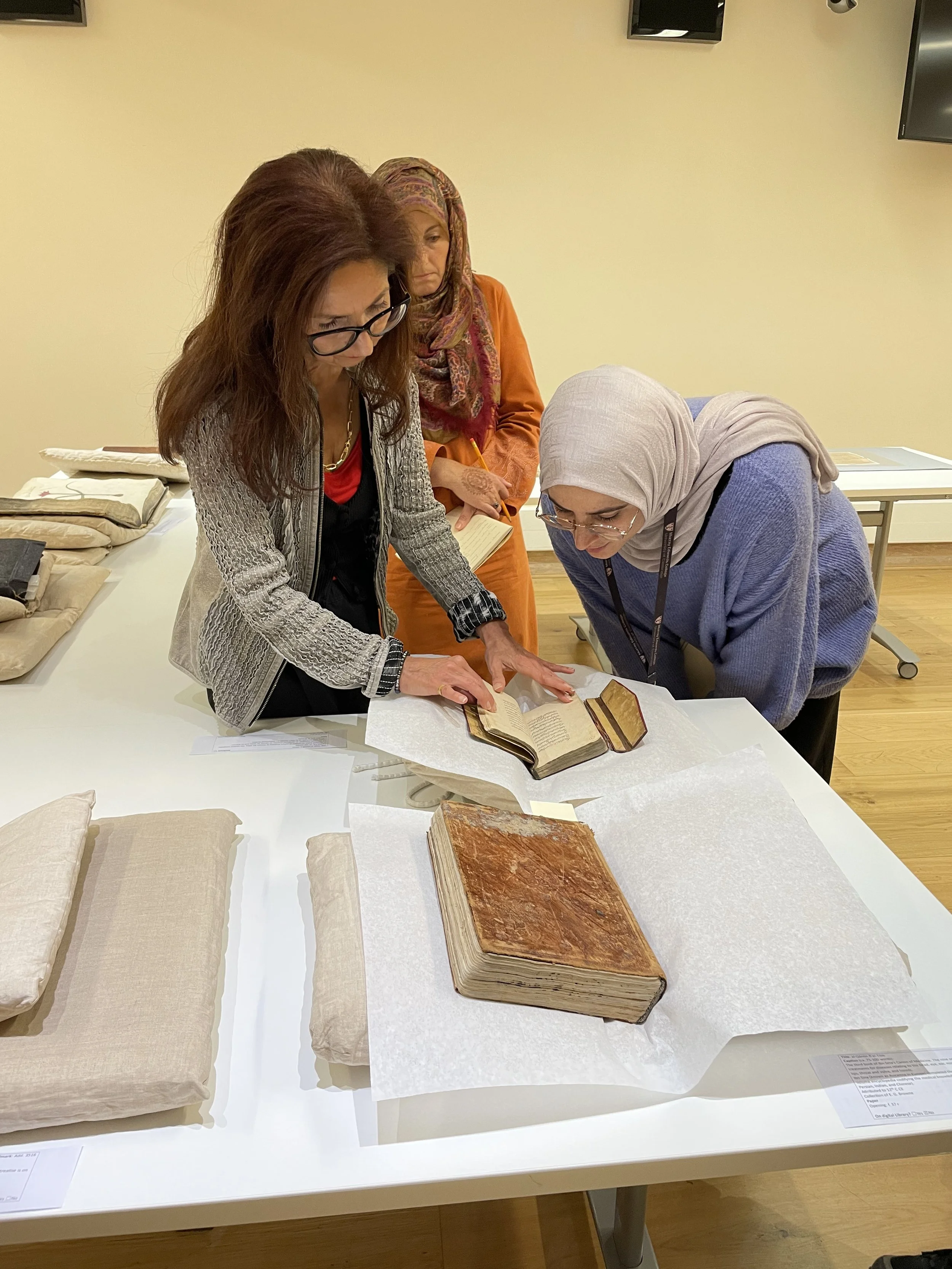
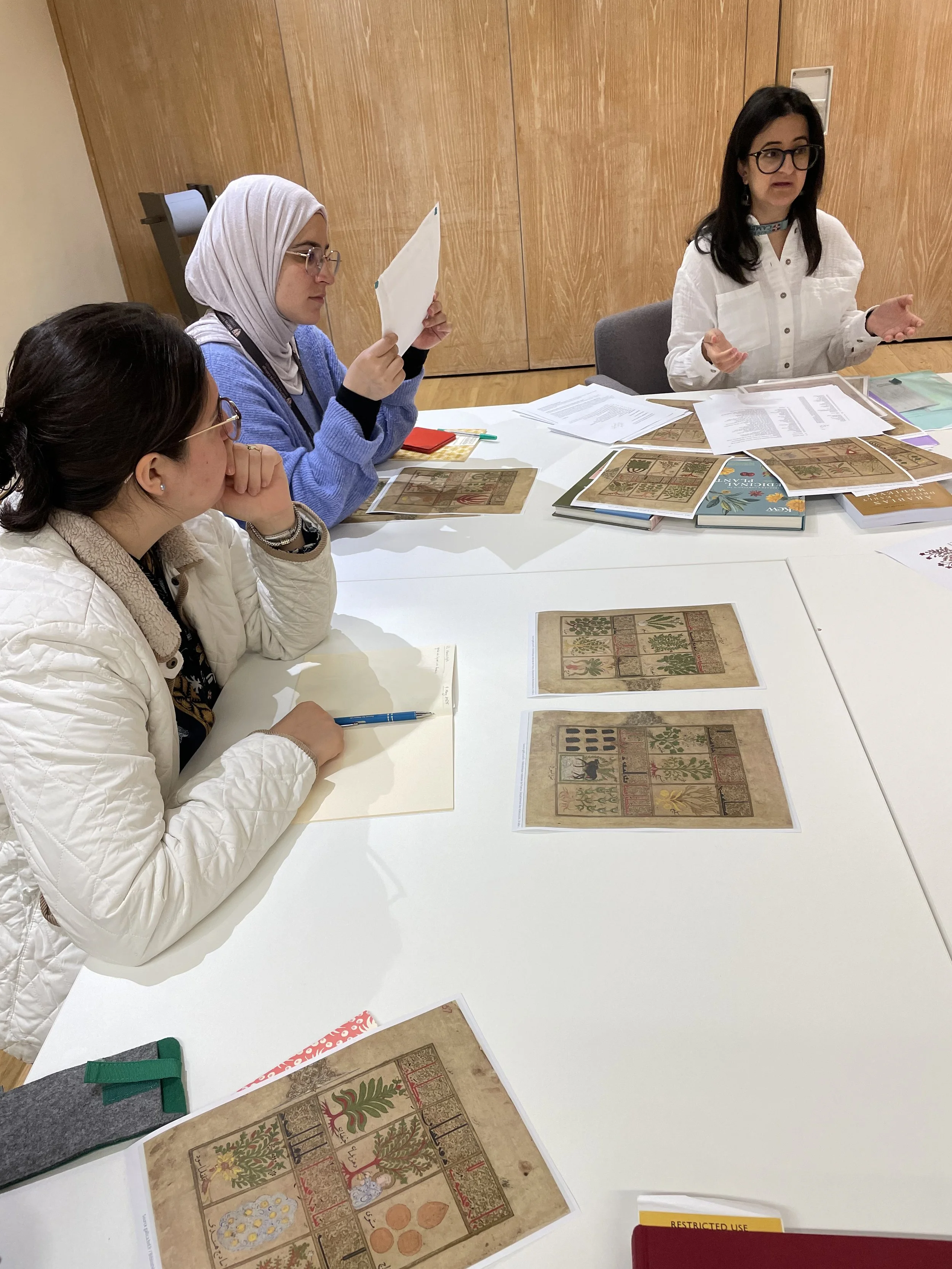
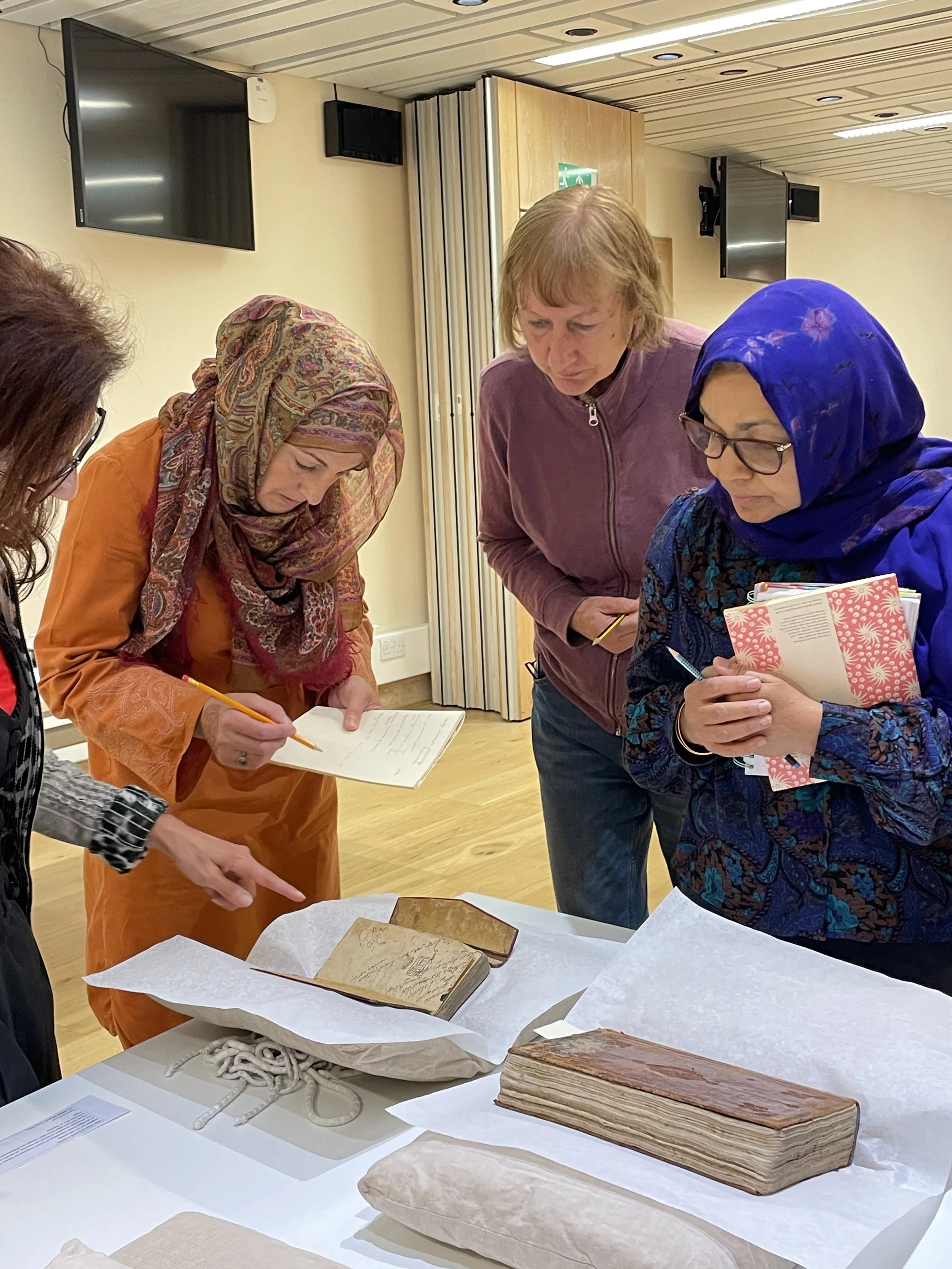
The Cambridge University Library’s rich collection of Arabic and Persian scientific manuscripts led to several fruitful discussions. This session focused on the transmission of knowledge, especially knowledge related to health and medicine, from Greek to Arabic to Latin. We examined manuscripts of Husayn ibn Ishaq (d. 873 AD), the influential Christian translator and authority of Greek texts into Arabic, especially on medicine; and Ibn Sina (also known as Avicenna, d. 1037 AD), another leading philosopher who codified medicinal knowledge in his five-volume Canon of Medicine (Qanun fi al-Tibb).
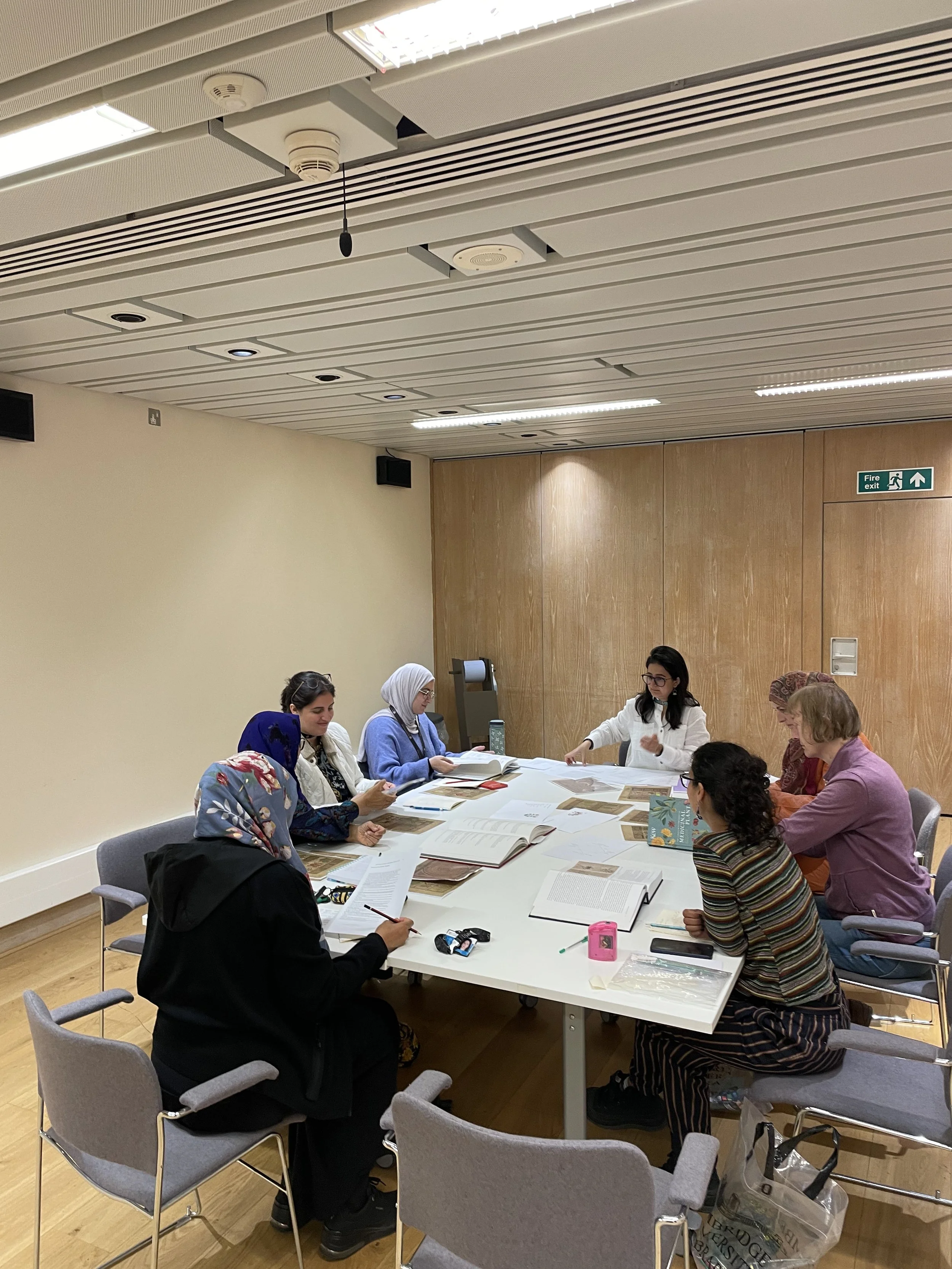
In addition to the content of the manuscripts (where plant drugs were the primary source of the remedies), the visuality and materiality of the manuscripts were also instrumental in the way one thinks about knowledge and its formation and transmission. Tabular and circular diagrams in scientific manuscripts were key takeaways for the group, with one fragment from the Cairo Genizah collection sparking particular interest. The group discussed Greek (Yunani) medicine, with participants sharing their experiences with the NHS and the British healthcare industry, as well as with holistic and Chinese medicine. As such, this led to many thought-provoking discussions on medicine as a whole. Other overarching themes during this session included the philosophy of logic, the role of balance and harmony, women’s health, and the significance of aesthetics even in scientific manuscripts.
Participant stories
Unani medicine
“Unani medicine, also known as Greco-Arabic medicine, is a traditional healing system with roots in ancient Greece and further developed by Arab and Persian scholars such as Ibn Sina. Unani medicine originates from the teachings of Hippocrates, Aristotle and Galen. It’s a holistic approach which emphasises balance within the body’s four humors - blood, phlegm, yellow bile, and black bile and to keep them in a balanced temperament. According to Unani principles, disease arises when this balance is disturbed, and health is restored by correcting it through diet, lifestyle, herbal remedies, and natural therapies. In Unani there is a strong emphasis on maintaining balance and staying in good health with an aim to prevent disease. Treatments often include regimens like detoxification, massage, cupping, and use of medicinal plants.
Today, Unani medicine is practiced widely in South Asia and parts of the Middle East, valued for its holistic approach to health and its focus on harmony between body, mind, and environment. Many of the modern medicine approaches have been built on from Unani medical literature such as Ibn Sina's (known widely in Europe as Avicenna) Canon of Medicine (al-Qanun fi'l tibb) an 11th century text, famous and well known, used as an authoritative medical textbook across the Middle Eastern and Europe. Up to the 18th Century it was the standard medical textbook in major European universities and some of the rules he developed for assessing the effects of drugs are still used today. The rare quality of such scholars of the past can be appreciated in his text and those of the like due to their backgrounds as polymaths, philosophers and experts in logic.
My own journey as a doctor in hospital and then community as a GP in the NHS has brought me to the doorstep of the traditional medicine approach that Unani offers. During my 25 years practising medicine and learning many approaches I had not come across any as holistic and respectful to both the inner and external environments of the whole person and aiming to personalise the care to the individual. We are all unique and to achieve balance and heal requires a narrative from the patient and keen attention from the physician using both logic and compassion to work with the patient to bring them in to balance and optimise their health, I found this in Unani medicine and it makes for a wonderful marriage with modern medicine.”
By Dr Shanaz Husain
Jobbing NHS GP in North East London, always on a lifelong journey of learning.
List of manuscripts
-
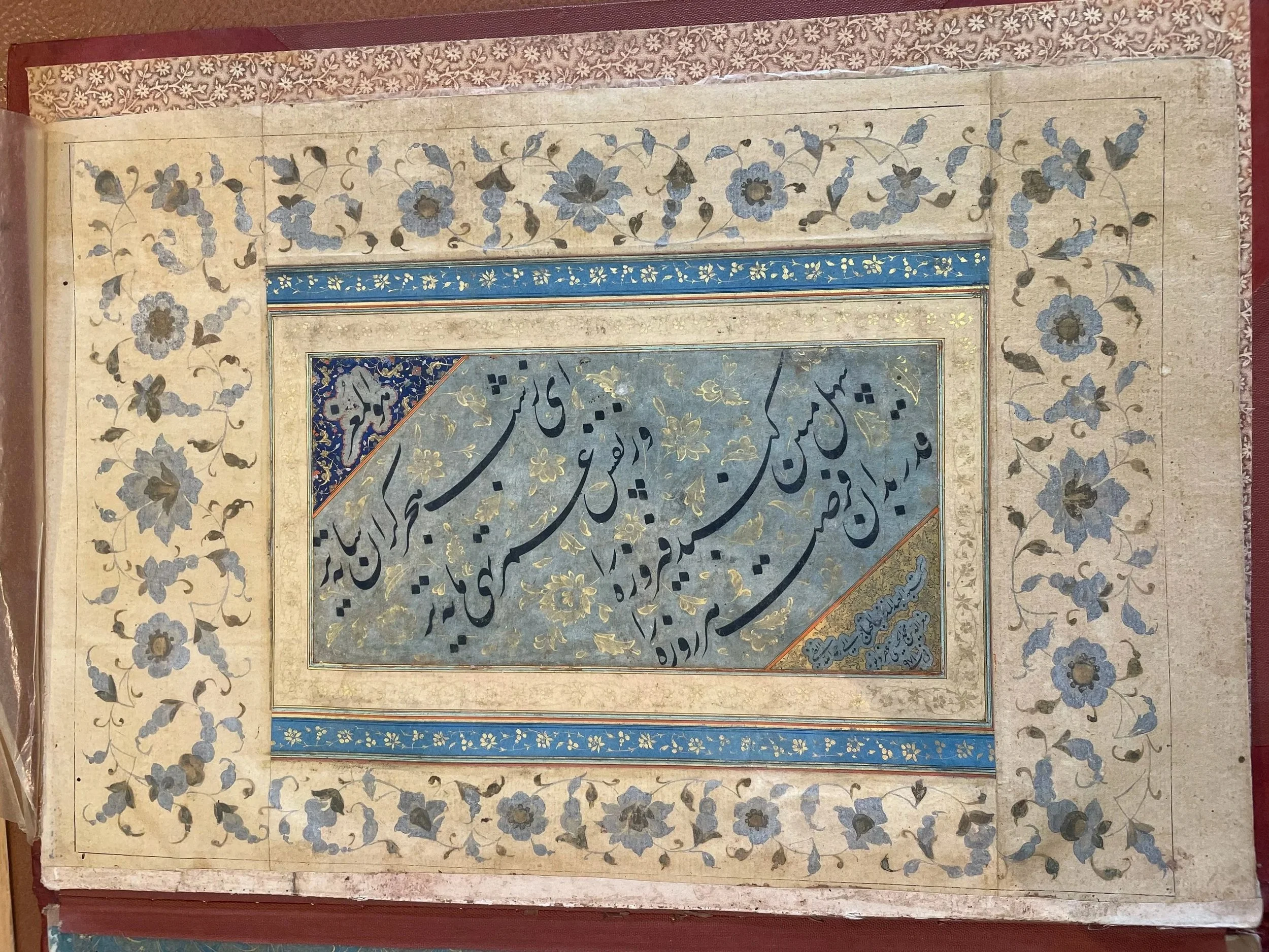
MS 263-1949 Album of calligraphy, Persian
-
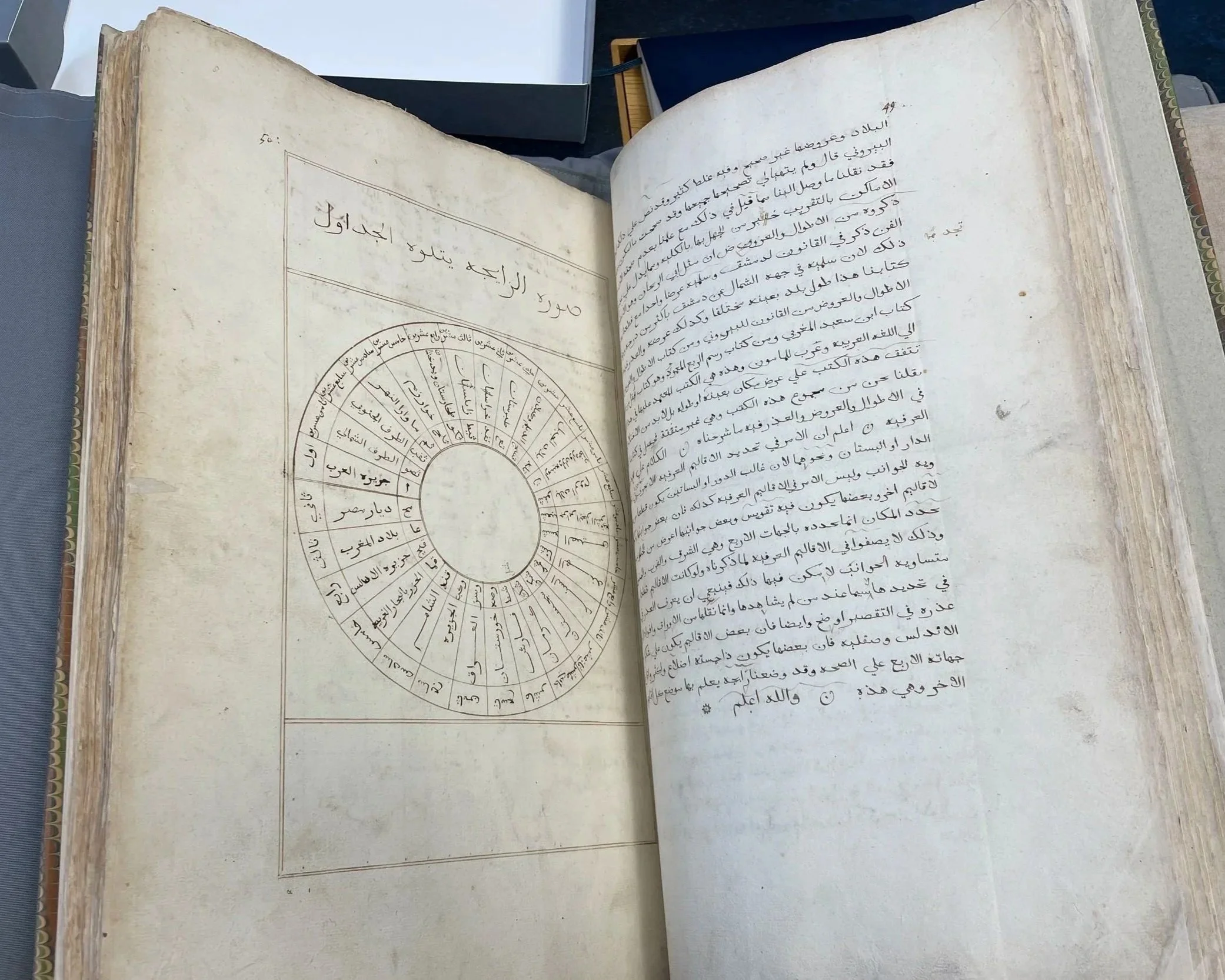
Taqwim al-Buldan (Almanac of Countries), likley copied by Erpenius
-
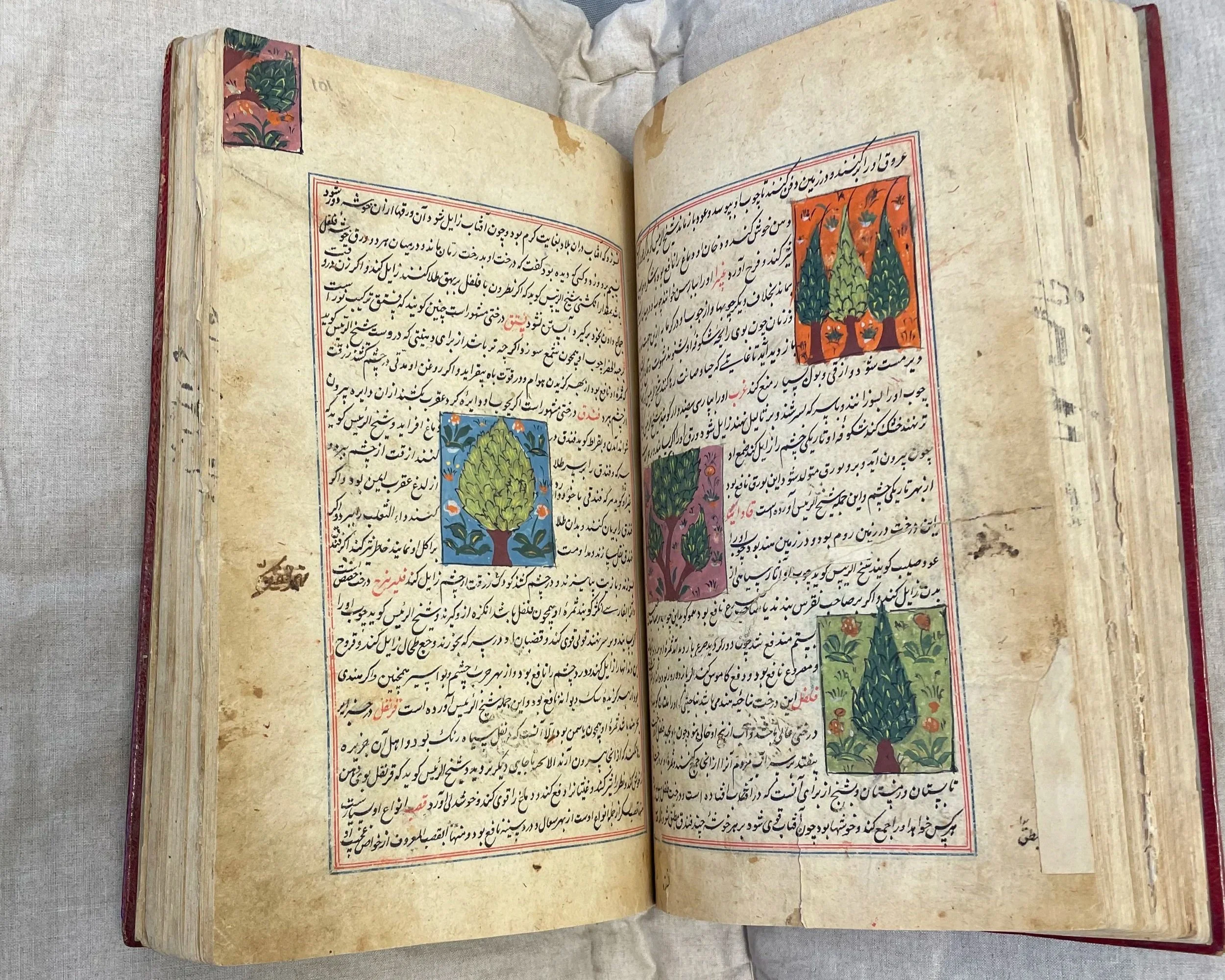
‘Aja’ib al-makhluqat (Wonders of Creation), 1613-14 CE
-
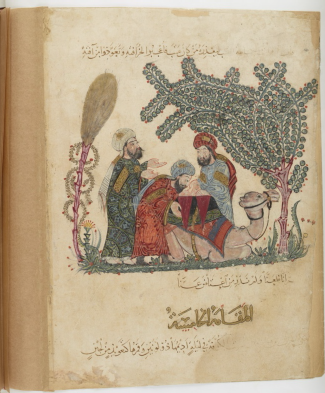
Maqamat of al-Hariri, 13th C
-
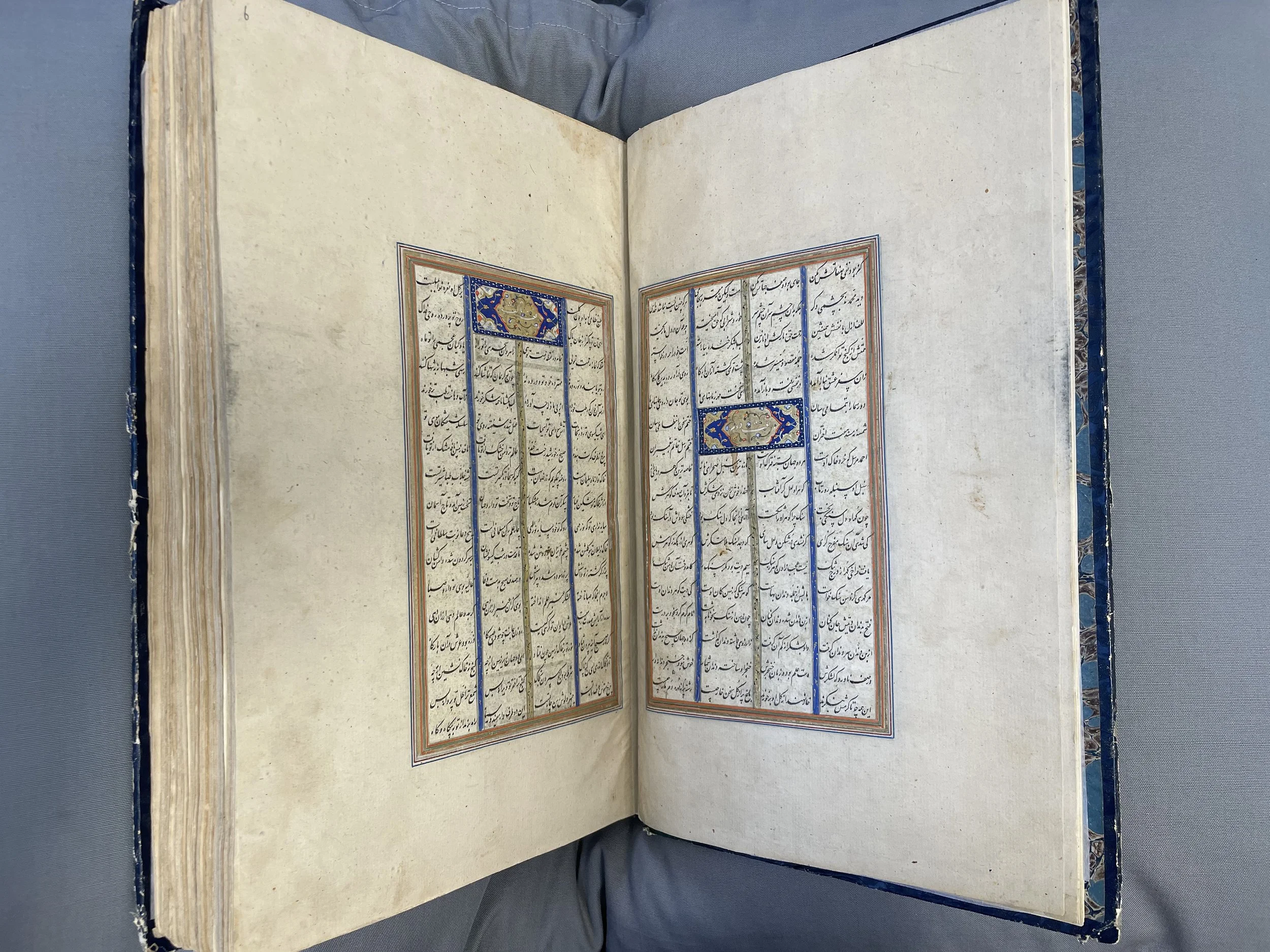
Khamsa (Quintet) of Nizami, 17th C
-
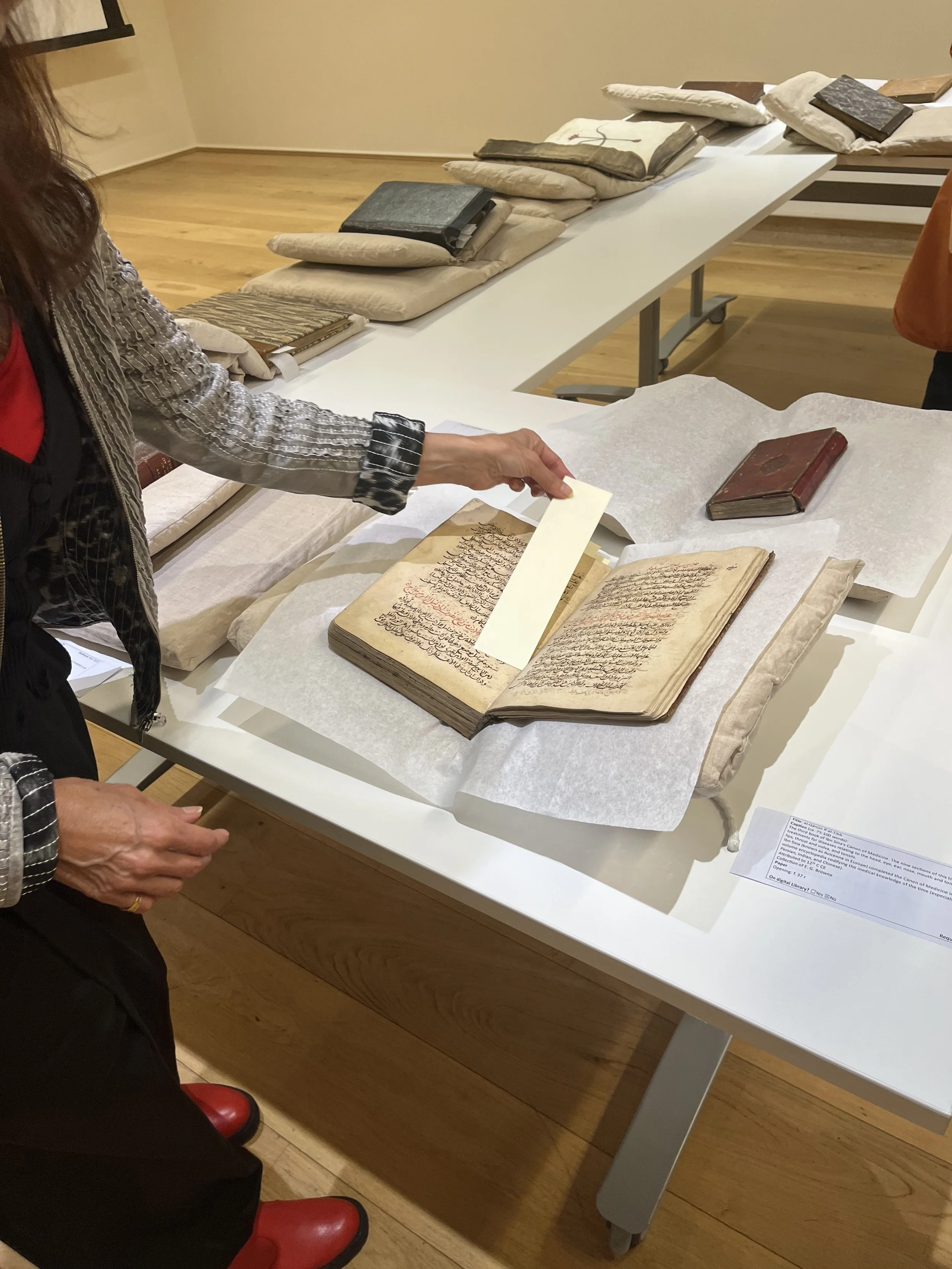
Al Qanun fi al-Tibb (Canon of Medicine), Ibn Sina, 12th C
-
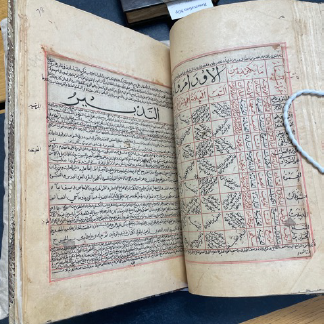
Taqwīm al-adwiyah al-Mufrada (The Almanac of Simple Drugs)
-
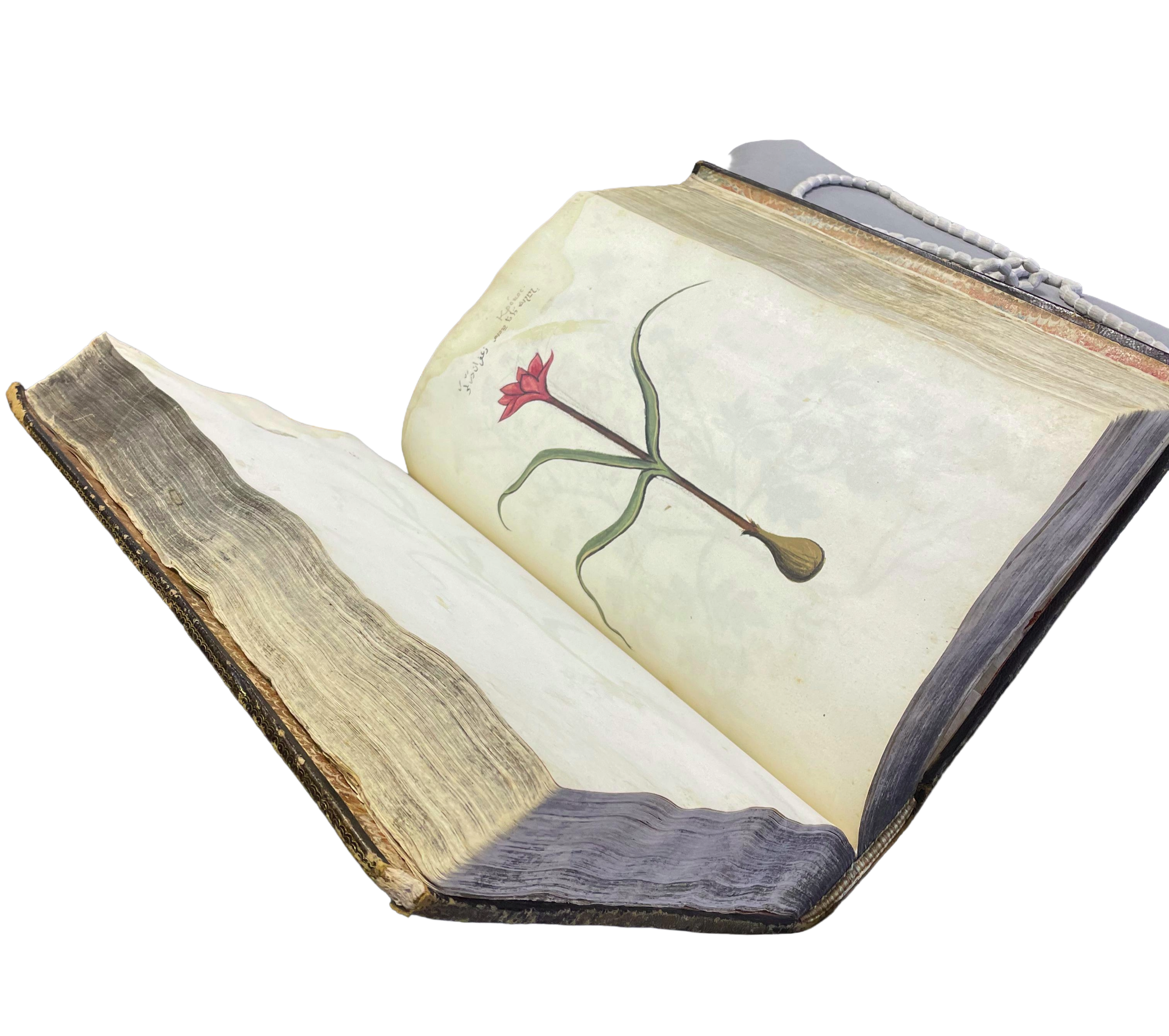
Herbal, 1682 CE (saffron illustration)